The Future of Private Security: Smarter, Faster, and More Effective Protection
The private security industry has undergone a significant transformation over the past decade. As security threats become more sophisticated, security providers are increasingly adopting advanced technologies to improve response times, enhance situational awareness, and deliver better protection for clients.
From artificial intelligence (AI) and remote monitoring to mobile reporting systems and predictive analytics, technology is reshaping how security companies operate and how security officers perform their duties. Understanding these changes can help security firms stay competitive and provide greater value to their clients.
The Growing Demand for Advanced Security Solutions
Want to check out another article: When Should You Hire a Private Investigator in Texas?
Businesses, residential communities, healthcare facilities, educational institutions, and critical infrastructure organizations face a wide range of security challenges. Traditional security methods alone are no longer sufficient to address evolving risks such as cyber-physical threats, workplace violence, theft, vandalism, and unauthorized access.
Clients today expect security providers to deliver proactive protection rather than simply reacting to incidents. This shift has created a growing demand for integrated security solutions that combine trained personnel with modern technology.
Artificial Intelligence Enhances Security Operations
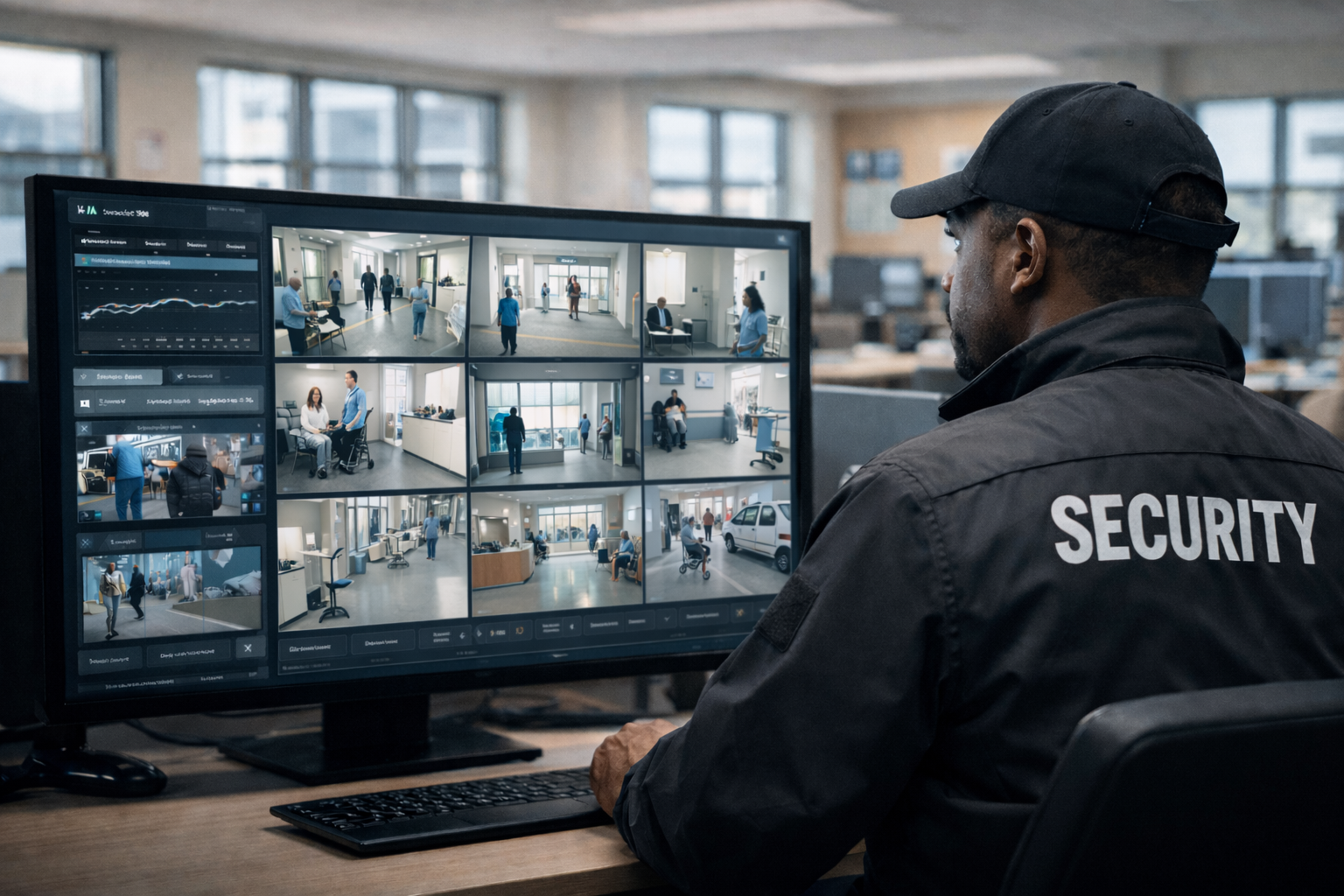
Artificial intelligence is becoming one of the most impactful tools in the private security industry. AI-powered surveillance systems can analyze video feeds in real time, detect suspicious behavior, identify unauthorized access attempts, and alert security personnel immediately.
Benefits of AI in private security include:
- Faster threat detection
- Reduced false alarms
- Improved incident response
- Enhanced situational awareness
- More efficient use of security personnel
Rather than replacing security officers, AI serves as a force multiplier, allowing guards to focus on critical decision-making and response activities.
Remote Monitoring Centers Improve Coverage
Remote monitoring has become a valuable service offering for many private security companies. Security operations centers can monitor multiple client locations simultaneously using cameras, sensors, access control systems, and alarm technologies.
This approach provides several advantages:
- 24/7 monitoring capabilities
- Reduced operational costs
- Faster incident verification
- Enhanced client reporting
- Increased scalability
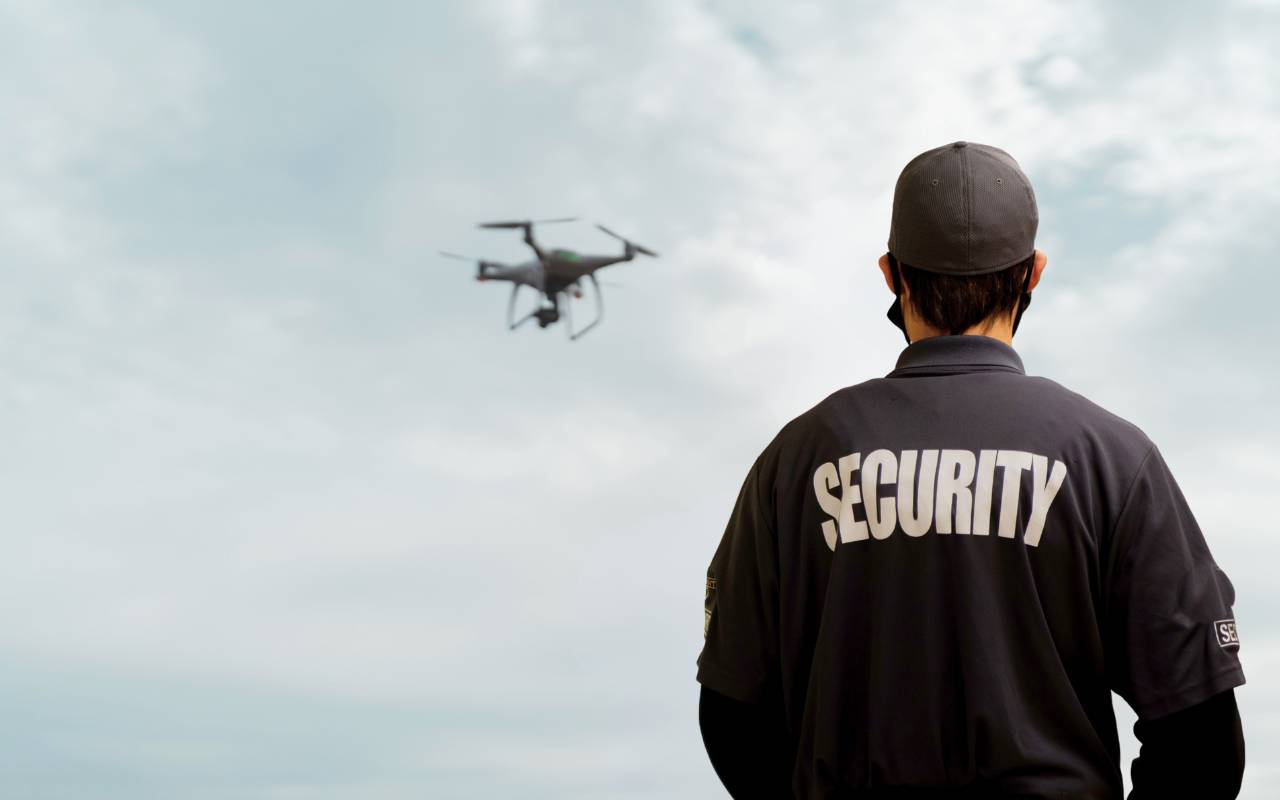
Remote guarding services are particularly attractive to businesses seeking cost-effective security solutions without sacrificing protection.
Mobile Technology Increases Officer Accountability
Modern security officers now rely on mobile applications for reporting, patrol tracking, communication, and incident management. Mobile technology allows officers to submit reports instantly, document incidents with photos and videos, and receive real-time instructions from supervisors.
Key benefits include:
- Improved report accuracy
- Real-time communication
- Enhanced officer accountability
- Better documentation
- Faster information sharing
Clients also benefit from increased transparency through digital reporting systems that provide immediate access to security activity and incident records.
Data Analytics Supports Proactive Security
Data-driven security strategies are becoming increasingly important. Security companies can analyze historical incident data, identify trends, and allocate resources more effectively.
Predictive analytics helps organizations:
- Identify high-risk areas
- Anticipate security vulnerabilities
- Optimize patrol routes
- Improve staffing decisions
- Reduce preventable incidents
By leveraging data, security providers can transition from reactive services to proactive risk management.
Cybersecurity and Physical Security Are Converging
As businesses become more connected, the line between physical security and cybersecurity continues to blur. Access control systems, surveillance cameras, alarm networks, and smart building technologies all rely on digital infrastructure.
Private security companies must understand cybersecurity risks and work closely with IT professionals to protect both physical assets and digital systems. Organizations that integrate physical and cyber security strategies are better positioned to manage modern threats.
Training Remains Essential
While technology provides powerful tools, highly trained security personnel remain the foundation of effective security programs. Successful security companies invest in continuous training that covers:
- Emergency response procedures
- Conflict de-escalation
- Customer service skills
- Technology operation
- Threat recognition
- Legal compliance
Combining skilled officers with advanced technology creates the strongest security posture for clients.
Conclusion

The private security industry is entering a new era driven by technological innovation, data intelligence, and evolving client expectations. Security companies that embrace AI, remote monitoring, mobile technology, and predictive analytics will be better equipped to deliver superior protection and maintain a competitive advantage.
As threats continue to evolve, the most successful security providers will be those that balance cutting-edge technology with professional, well-trained personnel. By adopting a proactive approach and investing in modern security solutions, private security firms can improve operational efficiency, enhance client satisfaction, and strengthen overall safety outcomes.
Ready to start your security journey? Click here
Frequently Asked Questions
How is AI used in private security?
AI helps analyze surveillance footage, detect suspicious activities, reduce false alarms, and improve incident response times.
What are the benefits of remote monitoring services?
Remote monitoring offers 24/7 surveillance, faster threat detection, reduced costs, and improved operational efficiency.
Can technology replace security guards?
No. Technology enhances the effectiveness of security personnel but cannot replace human judgment, communication skills, and on-site response capabilities.
Why is data analytics important for security companies?
Data analytics helps identify trends, predict risks, optimize resource allocation, and support proactive security strategies.
Check out some of these Security business below:
- ION Security and Investigation
3401 W Marshall Ave, Longview, TX 75604 - Pro Security Group
541 N. Valley Mills Dr, Waco, TX 76710 - Texas Public Safety and Investigations (TXPSI)
298 Industrial Blvd, Bastrop, TX 78602 - Asset Protection & Security Services
5502 Burnham Dr, Suite A, Corpus Christi, TX 78413 - AAA Security Guard Services
1901 Central Drive, Suite 716, Bedford, TX 76021