Warehouse Management in Texas: Best Practices for Safety, Security, and Operational Efficiency
 Warehouse management plays a critical role in keeping businesses organized, productive, and profitable. From inventory control and employee safety to shipping, receiving, and security, warehouse managers must oversee multiple responsibilities to ensure daily operations run smoothly.
In Texas, warehouses and distribution centers support industries such as manufacturing, logistics, retail, construction, transportation, and e-commerce. As warehouse operations grow, managers must find ways to improve efficiency, protect inventory, reduce operational disruptions, and maintain a safe working environment.
What Is Warehouse Management?
Warehouse management is the process of overseeing the daily operations of a warehouse, including receiving goods, storing inventory, tracking products, fulfilling orders, managing employees, and coordinating shipments.
Effective warehouse management helps businesses keep track of inventory, reduce mistakes, improve productivity, and maintain organized facilities.
Common Challenges Warehouse Managers Face
Warehouse managers are responsible for keeping operations running efficiently while addressing challenges that can affect employees, inventory, and company performance.
1. Inventory Control and Loss Prevention
Inventory discrepancies, misplaced products, damaged merchandise, and unauthorized access can create financial losses. Warehouse managers need accurate inventory tracking systems, organized storage procedures, and consistent monitoring of inventory movement.
2. Employee Safety and Workplace Hazards
Warehouses may contain forklifts, heavy equipment, loading docks, elevated storage, and high-traffic work areas. Managers must prioritize employee training, safety procedures, hazard awareness, and workplace inspections.
3. Unauthorized Access and Security Concerns
Warehouses may store expensive equipment, merchandise, materials, and sensitive business assets. Managing who enters the facility, monitoring visitor activity, and maintaining secure access procedures can help reduce security risks.
4. Shipping and Receiving Delays
Late shipments, incorrect orders, truck scheduling problems, and receiving errors can disrupt operations. Warehouse managers must coordinate employees, vendors, drivers, and delivery schedules to keep products moving.
5. Staffing and Productivity
Managing employees, shift schedules, workloads, and performance expectations can be challenging. A well-organized warehouse team with clear responsibilities and proper training can help improve productivity and reduce costly mistakes.
How Warehouse Management Systems Improve Operations
Warehouse management systems (WMS) help businesses organize and monitor warehouse activities using software and digital tools.
Common warehouse management features include:
- Inventory tracking and reporting
- Barcode scanning
- Order processing
- Receiving and shipping management
- Storage location tracking
- Employee workflow coordination
- Inventory forecasting
- Performance reporting
Using warehouse management technology can help businesses improve accuracy, reduce unnecessary delays, and make better operational decisions.
Why Warehouse Security Matters
Warehouse security is an important part of effective warehouse management. Businesses must consider the safety of employees, visitors, inventory, equipment, vehicles, and commercial property.
Security concerns may include:
- Unauthorized entry
- Inventory theft and loss
- Vandalism
- Suspicious activity around loading docks
- After-hours property concerns
- Access control challenges
- Safety concerns involving employees, visitors, and contractors
A comprehensive warehouse security strategy may include access control, security cameras, lighting, alarm systems, visitor procedures, employee awareness, and professional security personnel when appropriate.
The Role of Security Officers in Warehouse Operations
Professional security services can support warehouse managers by helping maintain a visible security presence and reinforcing facility security procedures.
Depending on the facility’s needs, security responsibilities may include:
- Monitoring designated access points
- Verifying authorized visitors
- Observing activity around warehouse property
- Supporting visitor and vehicle procedures
- Reporting suspicious activity or safety concerns
- Maintaining security documentation
- Helping protect employees, property, and assets
Security services can complement warehouse management by helping businesses maintain a more controlled and secure working environment.
Warehouse Management Best Practices
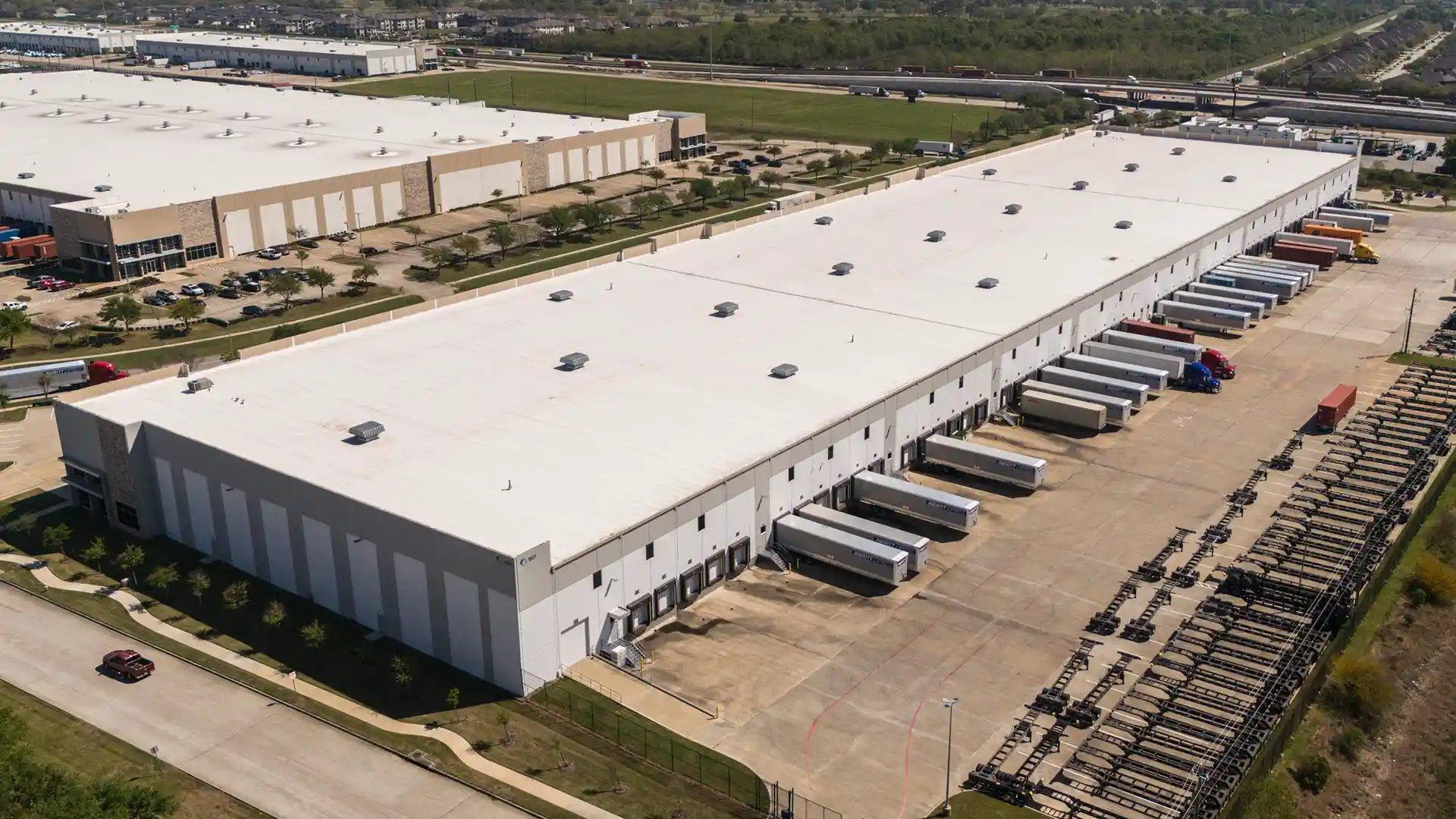 Businesses looking to improve warehouse operations should consider implementing the following practices:
- Keep inventory organized: Use clear storage labels and accurate tracking procedures.
- Prioritize employee safety: Provide training and maintain safety policies.
- Review warehouse access: Establish clear procedures for employees, vendors, visitors, and contractors.
- Improve communication: Ensure supervisors and employees understand responsibilities.
- Monitor facility conditions: Regularly review lighting, equipment, doors, loading areas, and security concerns.
- Use warehouse technology: Implement tools that improve inventory accuracy and operational visibility.
- Evaluate security needs: Identify vulnerabilities and consider professional security support when necessary.
Warehouse Management and Security in Texas
Texas is home to major logistics hubs, distribution facilities, industrial properties, and warehouse operations. With businesses managing valuable inventory and large facilities, warehouse management requires a combination of planning, organization, employee training, operational oversight, and security awareness.
Whether managing a warehouse in Houston, Dallas, Austin, San Antonio, or another Texas city, businesses should evaluate their operations regularly to identify opportunities for improvement.
How Strategic Protection Solutions Supports Warehouse Security
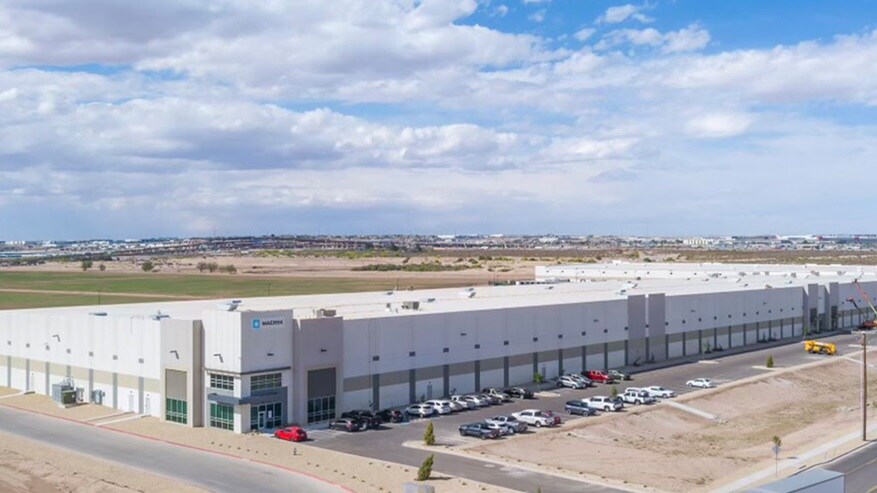 Warehouse managers should not have to handle every security concern alone. Strategic Protection Solutions (SPS) provides professional security services designed to help businesses address their property protection needs.
Security planning can help businesses strengthen facility awareness, support security procedures, and protect the people and assets that keep operations moving.
When your warehouse needs an additional layer of security, having a professional security team can make a difference.
Protection Starts With People.
Contact Strategic Protection Solutions to discuss security needs for your warehouse, distribution center, or commercial facility in Texas.
Phone: 281-533-3513
Website: Strategic Protection Solutions
Email: info@strategicprotection.us