 Warehouses and distribution centers play a vital role in keeping businesses running smoothly. However, valuable inventory, expensive equipment, employee safety, and daily operations can face security risks. Installing warehouse security cameras is an important step toward improving visibility, monitoring activity, and strengthening an overall warehouse security plan.
For businesses throughout Texas, combining security camera systems with professional security services can help create a safer and more secure working environment.
Why Are Security Cameras Important for Warehouses?
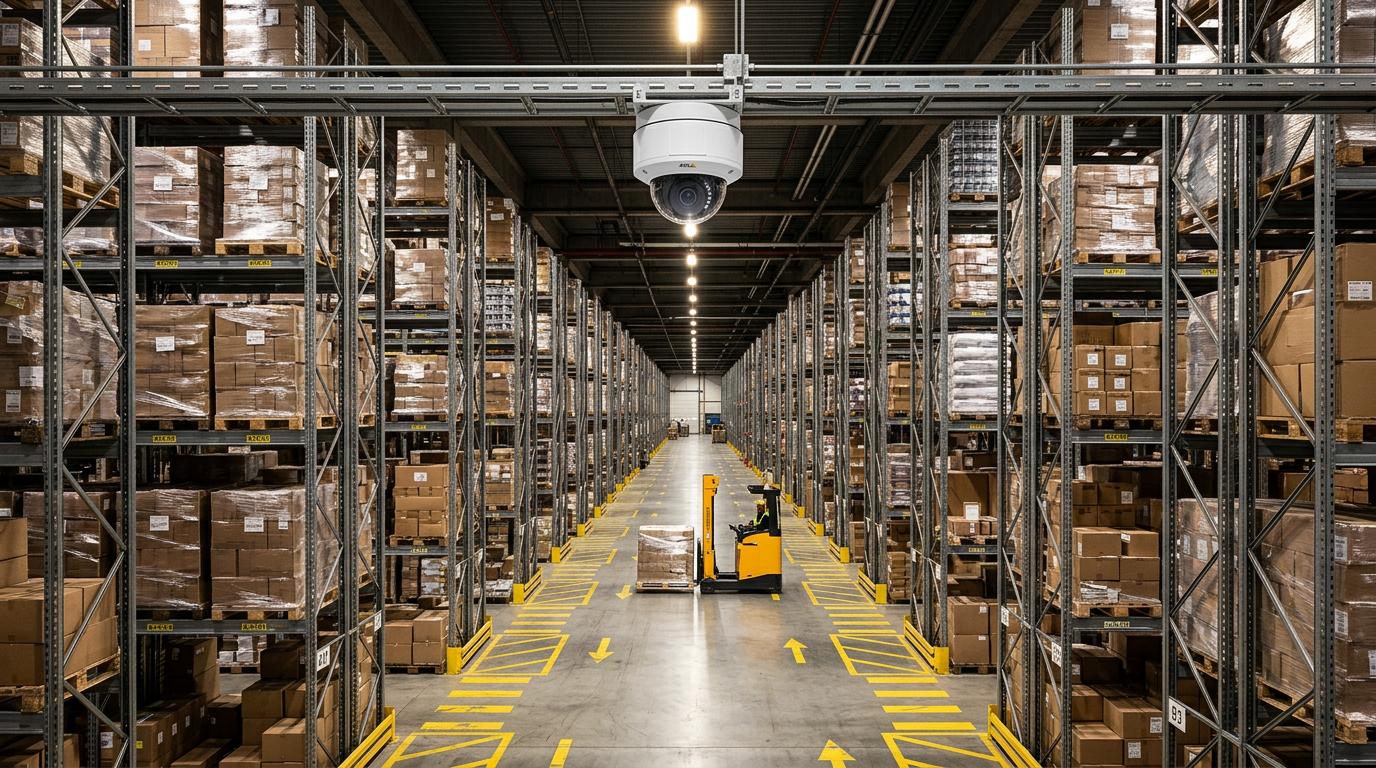
Warehouse security cameras help businesses monitor important areas, document activity, and identify potential security concerns. When strategically installed and properly maintained, cameras can support warehouse managers in overseeing operations and improving security procedures.
Key benefits include:
- Inventory Protection: Monitor storage areas, loading docks, and shipping zones to help identify suspicious activity and potential inventory losses.
- Employee Safety: Improve visibility in busy work areas, entrances, and vehicle traffic zones.
- Access Monitoring: Observe entrances, exits, and restricted areas to help detect unauthorized access.
- Incident Documentation: Recorded footage may help authorized personnel review incidents, subject to camera coverage, retention settings, and applicable laws.
- Operational Visibility: Help supervisors review activity around receiving, shipping, and loading areas.
Where Should Warehouse Security Cameras Be Installed?
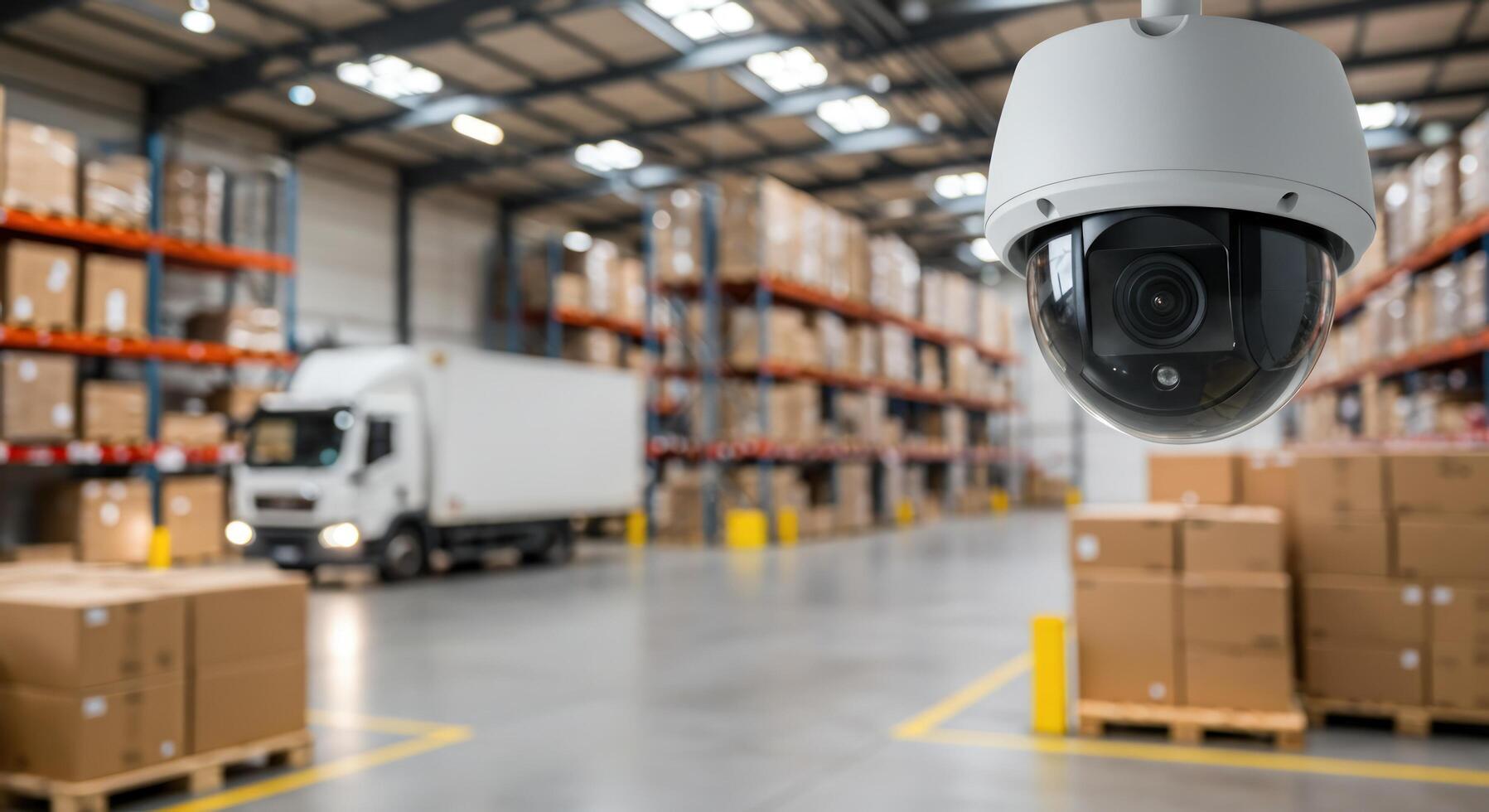 Proper camera placement is essential for effective warehouse surveillance. Businesses should evaluate their facility layout, lighting conditions, blind spots, and specific security needs.
1. Loading Docks and Shipping Areas
Loading docks are busy locations where merchandise moves between trucks and warehouse storage. Cameras can help monitor deliveries, shipments, and activity around loading bays.
2. Warehouse Entrances and Exits
Security cameras at employee entrances, visitor access points, and vehicle gates can help document activity and support access-control procedures.
3. Inventory and High-Value Storage Areas
Monitoring high-value products, equipment storage, and restricted inventory areas can help businesses identify potential security issues.
4. Parking Lots and Perimeter Areas
Outdoor cameras can help monitor vehicle movement, exterior doors, fences, and other vulnerable areas around the property.
5. Server Rooms and Restricted Facilities
Warehouses with IT infrastructure, sensitive records, or specialized equipment may benefit from additional monitoring and controlled access.
Security Cameras and Professional Warehouse Security Services
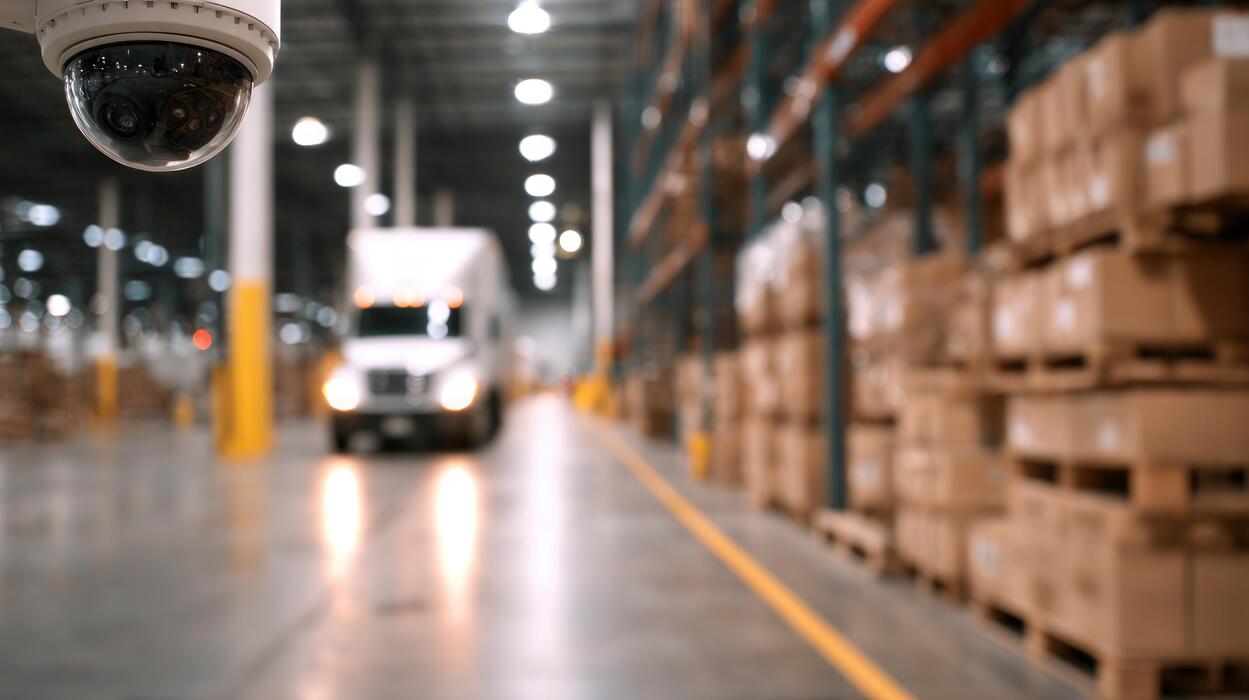 Although security cameras provide valuable surveillance, cameras alone cannot physically respond to an incident. A complete warehouse security strategy may combine video surveillance, access control, alarm systems, documented security procedures, and trained security personnel.
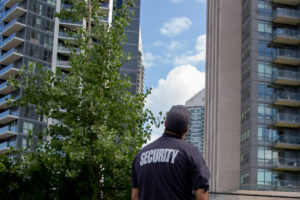
Professional security officers can help monitor access points, conduct authorized patrols, observe suspicious activity, and follow established response procedures. Depending on the facility’s risk assessment and operational needs, businesses may consider armed or unarmed security services.
Strategic Protection Solutions helps businesses evaluate security needs and consider appropriate protection measures for their facilities. Warehouse managers should select services based on their property requirements, applicable laws, and operational risks.
How to Choose the Right Warehouse Security Camera System
Before investing in warehouse surveillance, businesses should consider the following factors:
- Camera resolution: Choose image quality suitable for the intended monitoring area and identification needs.
- Lighting performance: Evaluate low-light capabilities for nighttime operations and dim storage areas.
- Indoor and outdoor durability: Select equipment designed for the conditions where it will be installed.
- Remote monitoring: Determine whether authorized managers need secure access to live or recorded footage.
- Storage and retention: Establish appropriate recording retention, access permissions, and data protection practices.
- System integration: Consider whether cameras should work with alarms, access control, or other security systems.
- Privacy and compliance: Follow applicable laws and workplace policies regarding surveillance, audio recording, employee privacy, and data security.