Warehouse Security: Protecting People, Products, and Operations from the Inside Out

Warehouses are the backbone of modern supply chains. Every day, employees, contractors, drivers, vendors, inventory, equipment, and technology move through these facilities. With so much activity happening around the clock, maintaining a secure warehouse environment is critical to protecting people, preventing losses, and keeping operations running efficiently.
For warehouse owners, operators, logistics companies, distribution centers, and businesses across Texas, professional warehouse security services can provide an important layer of protection against theft, unauthorized access, workplace incidents, and other security concerns.
Why Warehouse Security Matters
A warehouse can contain millions of dollars in merchandise, equipment, technology, and materials. At the same time, large facilities may have multiple entrances, loading docks, employee access points, parking areas, storage zones, and restricted locations.
Without an effective security strategy, even a small vulnerability can create significant operational and financial consequences.
Common warehouse security concerns include:
- Unauthorized entry
- Employee and visitor access issues
- Inventory theft and shrinkage
- Cargo and equipment theft
- Unauthorized vehicles entering restricted areas
- Suspicious activity around loading docks
- Tailgating through secured entrances
- Workplace safety concerns
- Vandalism and property damage
- After-hours security risks
- Disruptions to warehouse operations
A strong warehouse security program helps businesses identify vulnerabilities before they become costly problems.
Professional Warehouse Security Guards
One of the most effective ways to strengthen warehouse security is through trained security professionals.
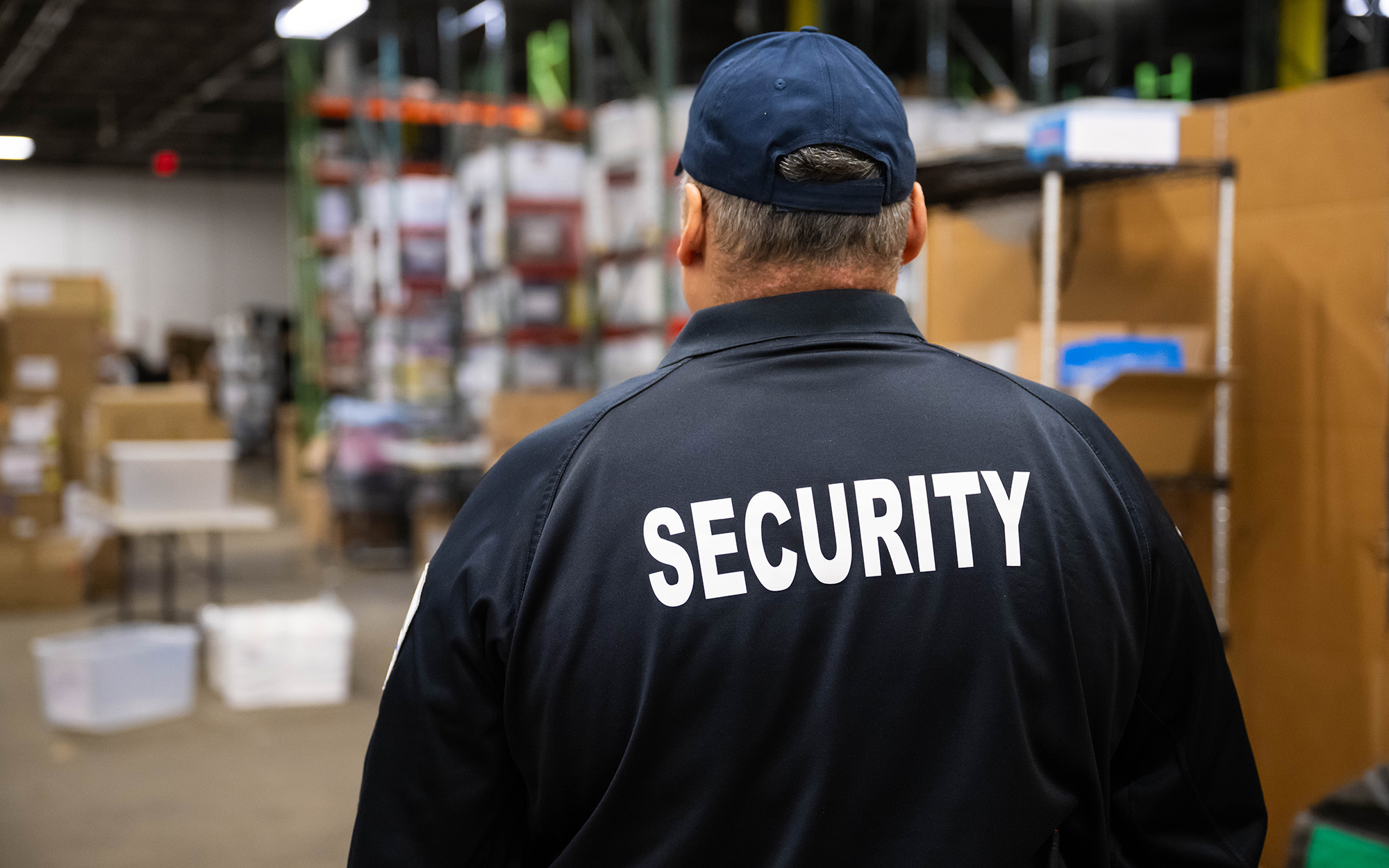
A visible security officer can serve as both a deterrent and an immediate security resource. Officers can monitor activity, control access points, observe employees and visitors, patrol designated areas, document incidents, and communicate with management when concerns arise.
Depending on the facility’s needs, warehouse security officers may assist with:
Access Control
Security personnel can help monitor who enters and exits the facility. This can include employees, contractors, vendors, delivery drivers, and visitors.
Proper access control helps prevent unauthorized individuals from entering restricted areas and provides management with greater awareness of activity within the facility.
Loading Dock Security
Loading docks are particularly important security areas because they are constantly active.
Security officers can monitor deliveries, observe vehicle activity, help verify authorized access, and identify unusual behavior around loading and unloading operations.
Patrol Services
Regular security patrols can help identify suspicious activity, unsecured doors, unusual conditions, and potential safety concerns.
Patrols can be customized based on the warehouse’s size, operating hours, layout, and risk profile.
Loss Prevention
Warehouse inventory can represent a substantial financial investment. Security personnel can support loss-prevention efforts by monitoring activity, identifying suspicious behavior, enforcing facility procedures, and documenting incidents.
Security should work alongside the warehouse’s existing policies and management team to create a stronger overall loss-prevention strategy.
Warehouse Theft Prevention Requires More Than Cameras
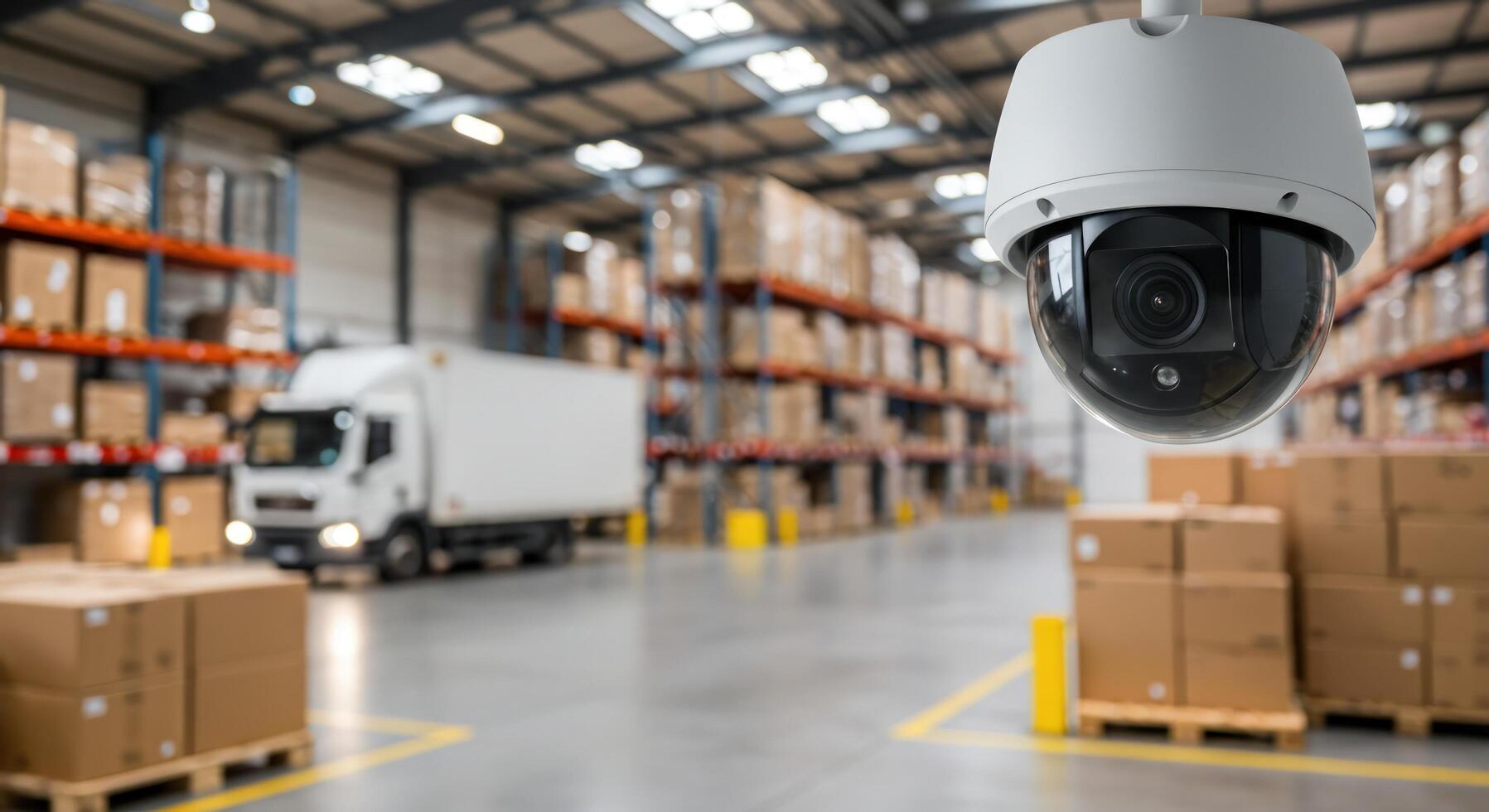 Security cameras and technology can be valuable tools, but technology alone does not always provide the complete security solution.
A camera may capture an incident, but a trained security officer can provide a physical presence, observe developing situations, communicate with management, and respond according to established procedures.
The strongest warehouse security strategies often combine trained security personnel, access control, surveillance technology, established procedures, and consistent communication.
This layered approach creates multiple levels of protection instead of relying on a single security measure.
Security for Large Distribution Centers
Large distribution centers can present unique security challenges because of their size, high employee counts, heavy vehicle traffic, and continuous movement of products.
A security program for a distribution center may require coverage across multiple areas, including:
- Main entrances
- Employee entrances
- Shipping and receiving areas
- Loading docks
- Parking lots
- Perimeter areas
- Administrative offices
- Restricted-access locations
- High-value inventory areas
Security plans should be designed around the facility rather than using a one-size-fits-all approach.
Warehouse Security in Texas
Texas is home to major logistics, manufacturing, transportation, and distribution operations. As warehouse and distribution activity continues to grow, businesses need security strategies capable of protecting large facilities and fast-moving operations.
For Texas businesses, choosing a professional security provider means looking beyond simply placing an officer at a door.
The right security partner should understand the facility’s daily operations, identify potential vulnerabilities, establish clear responsibilities, and communicate effectively with the client’s management team.
Building a Warehouse Security Plan
Every warehouse is different. A facility storing consumer products may have different security needs than a distribution center handling electronics, equipment, pharmaceuticals, automotive components, or other high-value materials.
An effective warehouse security plan should consider:
- Facility Layout: Identify entrances, exits, loading docks, restricted areas, employee areas, parking areas, and other important locations.
- Operating Hours: Security requirements may change depending on whether the facility operates during the day, overnight, or 24/7.
- Access Points: Determine who should have access to each area and how access should be monitored.
- High-Risk Areas: Identify areas where theft, unauthorized access, or other incidents could have a significant impact.
- Employee and Visitor Procedures: Establish consistent procedures for employees, contractors, vendors, and visitors.
- Incident Reporting: Security personnel should have clear procedures for documenting and communicating incidents.
- Communication: Management and security teams should maintain an effective communication process so potential concerns can be addressed quickly.
Why Visible Security Matters
A professional security presence sends a clear message: security is a priority.
For employees, visitors, vendors, and potential intruders, visible security can create a stronger sense of order and accountability throughout the facility.
Professional security officers can also become an important part of a warehouse’s daily operations by helping management maintain established security procedures and identifying concerns before they escalate.
Protect Your Warehouse Before a Security Problem Becomes a Business Problem
Warehouse security isn’t simply about protecting inventory. It’s about protecting employees, customers, equipment, operations, and the reputation of the business.
A comprehensive security strategy can help warehouse operators reduce vulnerabilities, improve access control, strengthen loss-prevention efforts, and create a safer and more controlled environment.