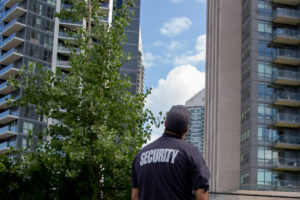
Signs Your Warehouse or Data Center May Need Professional Security
Warehouses, distribution centers, and data centers play an essential role in keeping businesses running. Warehouses store valuable inventory, equipment, and supplies, while data centers protect the technology and infrastructure that many organizations depend on every day. Although these facilities serve different purposes, both face security challenges that can lead to financial losses, operational disruptions, and safety concerns.
For business owners and facility managers, recognizing security weaknesses early can help prevent costly incidents. But how do you know when your facility may need professional security services?
1. Unauthorized People Can Access Your Property
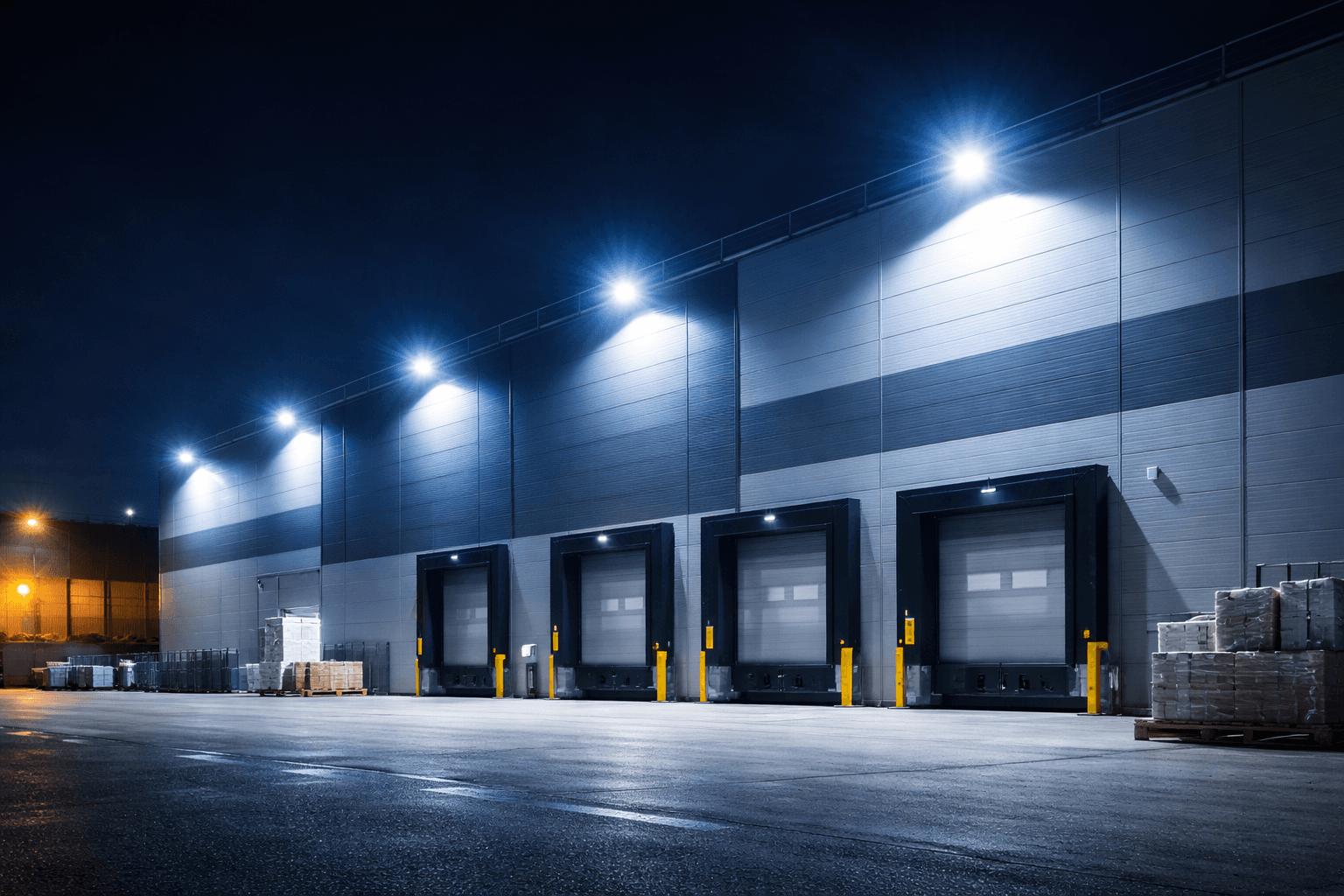
One of the clearest warning signs is a lack of control over who enters your facility. If visitors, contractors, delivery personnel, or unfamiliar individuals can enter without proper verification, your property may be vulnerable.
Warehouses may experience unauthorized entry through loading docks, side doors, employee entrances, or unsecured perimeter gates. Data centers face similar concerns, particularly when access to server rooms, electrical areas, and other restricted spaces is not carefully controlled.
What owners can do: Review visitor procedures, inspect entry points, strengthen access control policies, and consider trained security personnel to monitor entrances and identify suspicious activity.
2. Inventory, Equipment, or Materials Have Gone Missing
Missing inventory, unexplained shortages, damaged equipment, or recurring discrepancies may indicate a security problem.
Warehouses can lose products through theft, unauthorized removal, cargo theft, or weaknesses in inventory handling procedures. Data centers may be exposed to the theft of servers, networking equipment, storage devices, copper wiring, and other valuable components.
Not every discrepancy indicates criminal activity, but repeated incidents deserve investigation.
What owners can do: Compare inventory records with physical counts, review incident reports, examine camera coverage, and establish clear procedures for reporting suspicious activity.
3. Your Facility Has Limited Security Monitoring
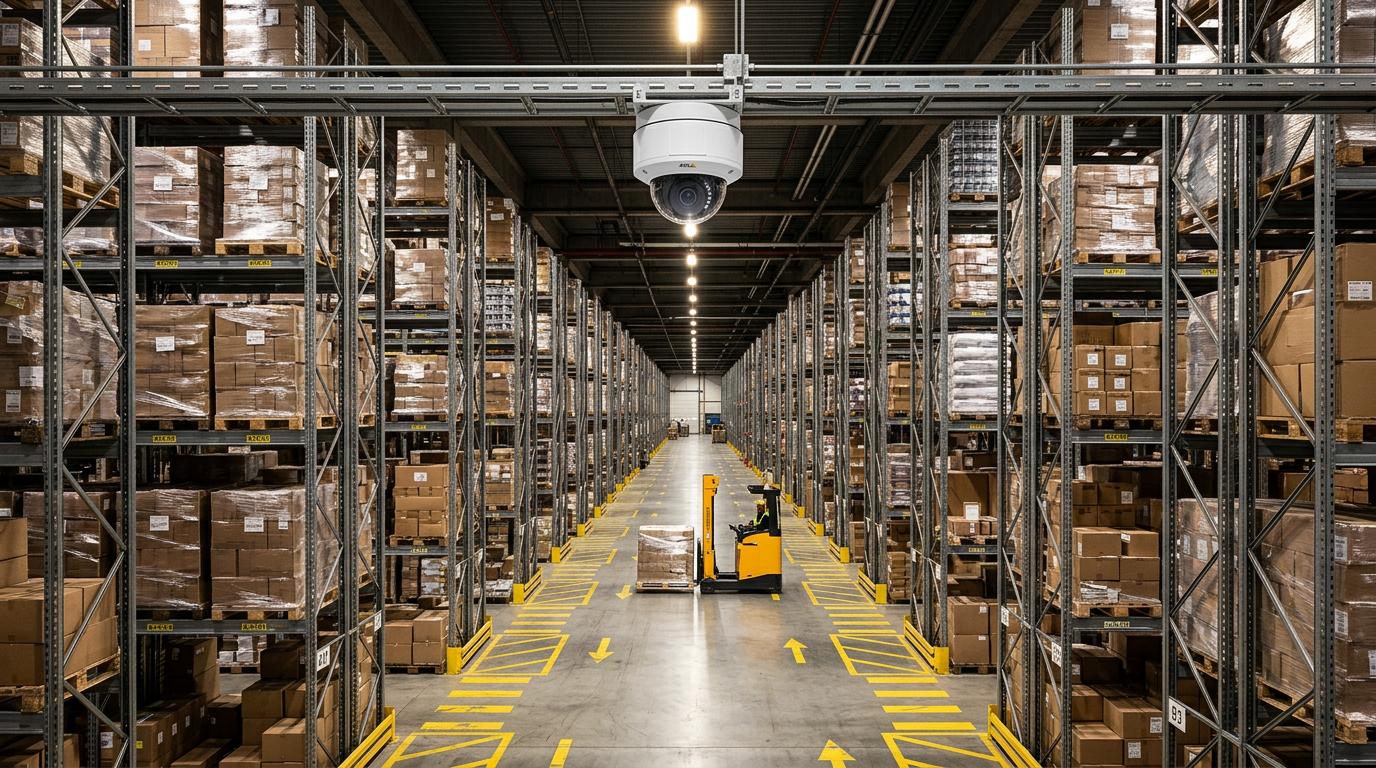
Security cameras are useful, but cameras alone cannot prevent every incident or respond to an emergency. If your property has blind spots, poorly monitored entrances, inadequate lighting, or no clear process for responding to alerts, important warning signs may go unnoticed.
Large warehouses and data centers may have multiple entrances, expansive parking areas, perimeter fencing, loading zones, and restricted areas that require different monitoring approaches.
What owners can do: Conduct a security assessment to identify coverage gaps and determine whether on-site guards, mobile patrols, monitored cameras, or improved lighting would provide additional protection.
4. Security Problems Keep Happening After Hours
Facilities that operate overnight or remain unattended during evenings, weekends, and holidays can face additional risks.
Warehouses may be targeted for cargo theft, trespassing, equipment theft, or unauthorized access when fewer employees are present. Data centers must maintain controlled access and operational readiness even when administrative staff are unavailable.
A pattern of after-hours alarms, trespassing, vandalism, or unexplained activity should not be ignored.
What owners can do: Review after-hours procedures, establish an escalation plan, verify that alarm notifications reach the appropriate personnel, and evaluate whether scheduled or random patrols are appropriate.
5. Employees or Contractors Are Unsure How to Report Problems
Employees often notice suspicious behavior before management does. However, if staff members do not know whom to contact, how to document an incident, or what to do during an emergency, valuable information can be lost.
This is especially important in warehouses with multiple shifts and data centers where access privileges vary by role.
What owners can do: Create straightforward reporting procedures, establish an emergency contact list, and provide employees with clear guidance on suspicious activity, unauthorized access, and emergency response.
6. Your Business Has Grown, but Your Security Has Not
A security plan that worked for a small operation may no longer be appropriate as a business expands.
Additional warehouse space, increased inventory, more delivery traffic, new employees, construction projects, or expanded data center capacity can introduce new vulnerabilities.
Growth can also create more access points, increase the number of contractors on-site, and make it harder to monitor activity across the property.
What owners can do: Reassess security whenever the facility expands, changes its operating hours, adds valuable equipment, or introduces new processes.
7. You Lack a Clear Emergency Response Plan
Security is not limited to preventing theft. Facilities also need procedures for trespassing, workplace violence, fire watch requirements, medical emergencies, suspicious packages, power disruptions, and other incidents relevant to their operations.
Warehouses may need coordinated responses to loading dock accidents, hazardous areas, or unauthorized vehicle access. Data centers may need carefully controlled responses that protect personnel and avoid unnecessary disruption to critical infrastructure.
What owners can do: Establish written emergency procedures, identify responsible decision-makers, maintain current contact information, and periodically review response plans.
8. You Cannot Easily Explain Your Current Security Coverage
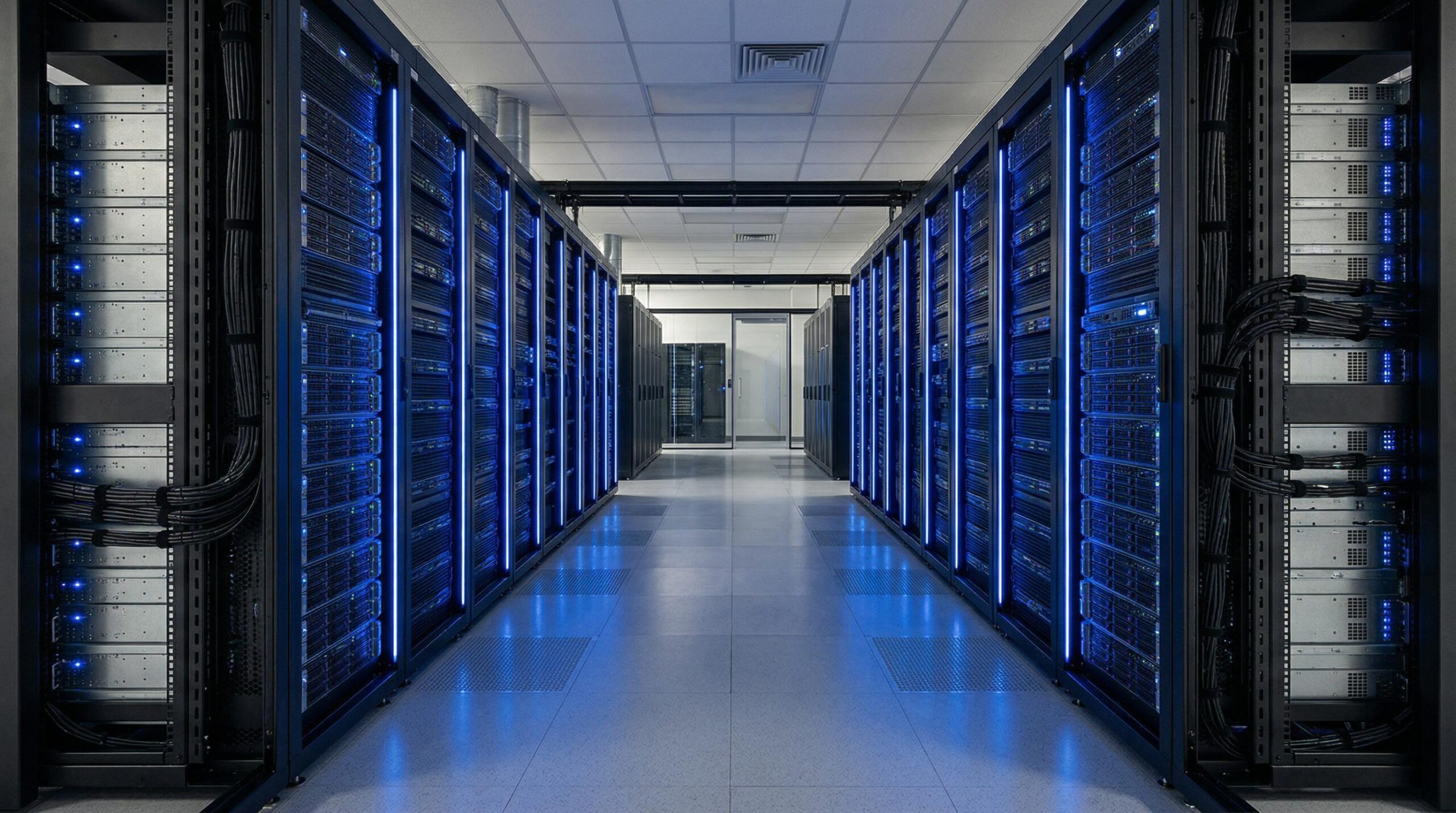
Business owners should be able to identify who monitors their property, how incidents are reported, what happens when an alarm is triggered, and how security performance is reviewed.
If those responsibilities are unclear, important gaps may exist between security technology, employees, management, and outside service providers.
What owners can do: Review post orders, patrol schedules, incident documentation, access control procedures, and reporting requirements. Confirm that your security arrangements match your facility’s actual risks.
Protect Your Facility Before a Problem Becomes a Loss
A warehouse or data center does not need to experience a major theft or security incident before its owners review their protection measures. Warning signs such as repeated inventory discrepancies, unsecured access points, inadequate monitoring, and unclear emergency procedures can provide an opportunity to address vulnerabilities early.
The right security approach depends on the facility, its operations, its assets, and its risk exposure. A combination of trained security personnel, patrols, access control, surveillance, and clear reporting procedures can help businesses build a more effective security program.
Take the Next Step
Consider scheduling a professional security assessment to identify potential weaknesses, prioritize improvements, and determine which security measures best fit your facility’s needs.