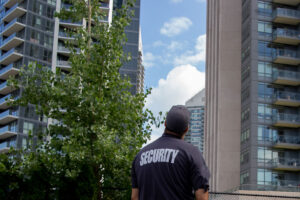
Seasonal Data Center Security: Protecting Critical Infrastructure During Increased Demand
As the seasons change, data centers prepare for evolving operational demands, infrastructure upgrades, equipment deliveries, and continued growth in digital services. From cloud computing and artificial intelligence to enterprise networks and data storage, businesses depend on data centers to keep their systems operating reliably around the clock.
While preparing for increased demand is essential, it can also create new physical security challenges. Additional equipment, contractors, maintenance crews, and construction activity can increase the complexity of protecting critical infrastructure. Without consistent security procedures, facilities may face greater exposure to unauthorized access, equipment theft, property damage, and operational disruptions.
Protecting critical infrastructure requires a proactive approach to physical security. As facilities prepare for changing seasonal demands, reviewing access control procedures, monitoring vulnerable areas, and maintaining consistent security practices can help protect valuable equipment and support reliable operations.
Why Seasonal Changes Increase Data Center Security Risks
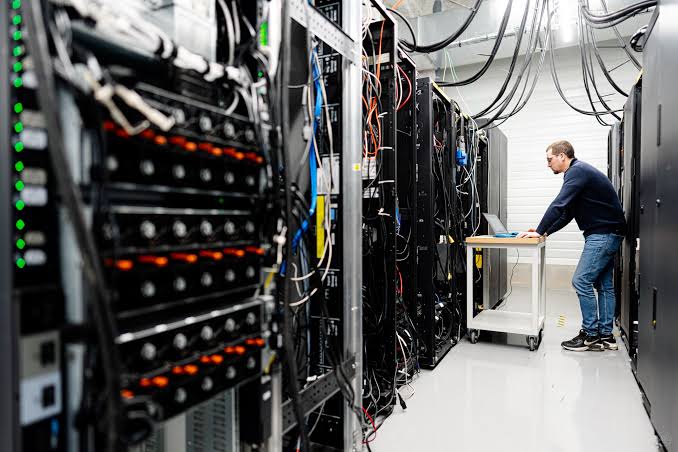
As data centers expand and prepare for changing operational demands, physical security should receive the same attention as equipment maintenance, infrastructure planning, and operational readiness.
Several factors can increase a facility’s exposure to security risks.
1. High-Value Equipment Requires Protection
Data centers contain servers, networking equipment, storage systems, generators, electrical components, and other specialized assets that represent significant investments.
During periods of expansion, facilities may receive additional equipment, replace existing systems, or move valuable materials throughout the property. Without appropriate monitoring, these activities can create opportunities for theft, unauthorized handling, or inventory discrepancies.
Consistent monitoring of designated areas, equipment deliveries, and access points can help identify suspicious activity and reinforce established facility security procedures.
2. Increased Contractor and Vendor Activity
Data centers frequently rely on technicians, equipment vendors, maintenance personnel, and specialized contractors to support daily operations and facility improvements.
When construction projects or infrastructure upgrades increase the number of people entering a facility, maintaining consistent access control becomes especially important.
Facilities should establish clear procedures for verifying credentials, recording visitors, confirming work authorization, and limiting access to approved areas.
These measures help facility management maintain better awareness of who enters the property and why they are there.
3. Data Center Construction Sites Face Additional Risks
The growing demand for digital infrastructure often coincides with new data center construction and expansion projects.
Construction sites may contain copper wiring, generators, electrical equipment, tools, fuel, building materials, and other valuable assets. Incomplete structures, temporary access points, and changing site layouts can also introduce security gaps.
Maintaining controlled entry points, monitoring site activity, securing valuable materials, and documenting suspicious behavior can help reduce exposure to theft and unauthorized access.
Establishing security procedures early helps protect equipment and materials throughout the construction process, rather than waiting until the facility becomes operational.
4. After-Hours Security Remains Essential
Data centers operate around the clock, but staffing levels and contractor activity can vary throughout the day, particularly during overnight hours, weekends, and holidays.
Reduced on-site activity can make it more difficult to maintain visibility around exterior entrances, parking areas, loading zones, and construction areas.
Scheduled patrols, monitored access points, consistent incident reporting, and clear escalation procedures can help maintain security awareness when normal business activity slows down.
A consistent security presence also reinforces the importance of protecting the facility outside standard business hours.
5. Seasonal Weather Can Create Additional Challenges
Changes in weather can introduce additional concerns for data center operators. Severe storms, heavy rainfall, extreme temperatures, and other environmental conditions may affect exterior areas, access routes, and construction sites.
Although physical security measures do not replace specialized infrastructure monitoring or emergency systems, clear emergency procedures can help personnel respond appropriately when unexpected conditions arise.
Reporting visible hazards, restricting access to affected areas when authorized, and communicating incidents to designated facility contacts can support a coordinated response.
Physical Security Measures That Help Protect Data Centers
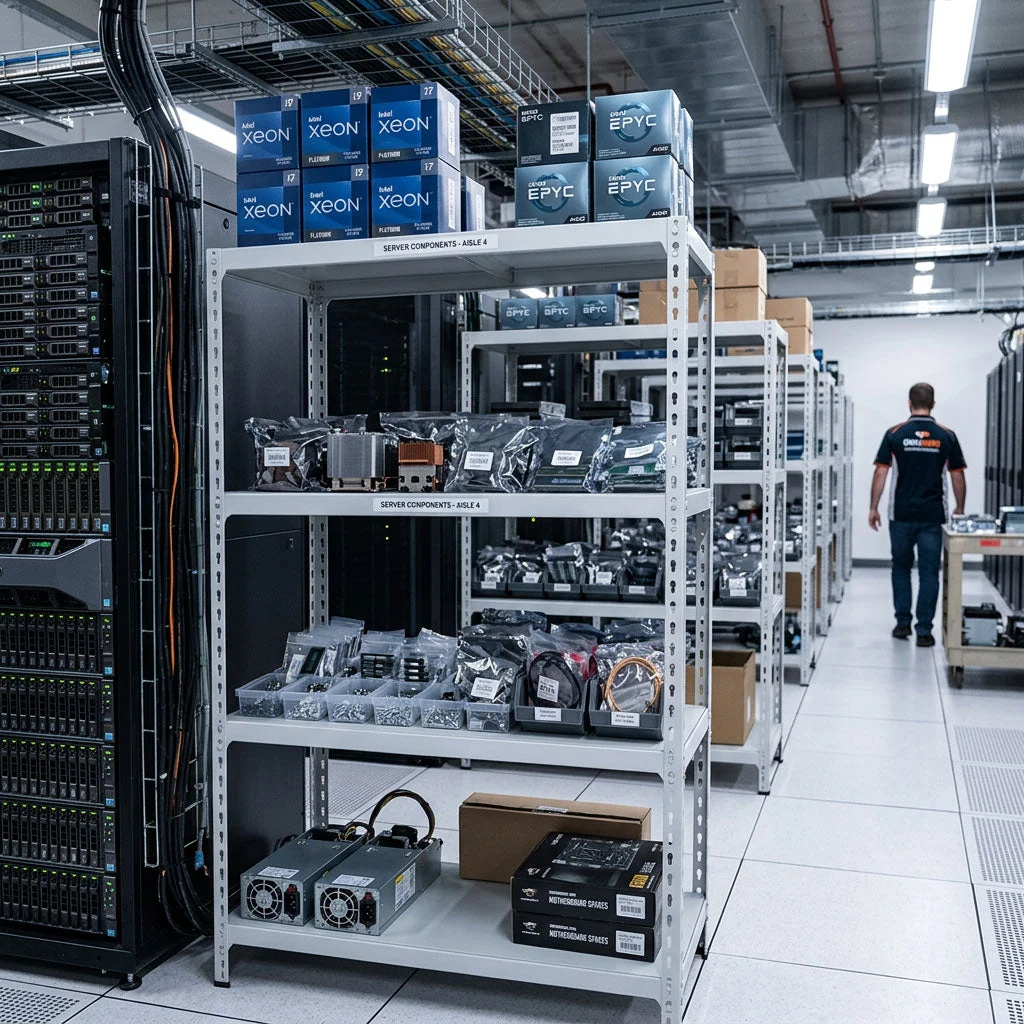
A well-planned security program does more than respond to incidents. It establishes consistent procedures designed to reduce physical security risks before they lead to financial losses or operational disruptions.
Important measures include:
Access Control and Visitor Monitoring
Monitoring entrances, verifying authorized access, and maintaining accurate visitor records help facilities control who enters restricted areas.
Perimeter and Exterior Monitoring
Regular inspections of building entrances, parking areas, loading zones, fencing, and other designated locations can help identify potential vulnerabilities.
Equipment Delivery Monitoring
Observing delivery activity, monitoring receiving areas, and documenting discrepancies can improve accountability when valuable equipment arrives or leaves a facility.
Construction Site Protection
Facilities under construction or expansion benefit from controlled access, secured storage areas, perimeter monitoring, and clear procedures for documenting unusual activity.
Incident Reporting and Documentation
Timely, accurate reporting helps facility management identify recurring concerns, investigate incidents, and determine whether additional protective measures are necessary.
Emergency Preparedness
Established communication procedures, updated emergency contacts, and clearly defined responsibilities help personnel respond to incidents within the scope of their assigned duties.
Why Physical Security Must Work Alongside Cybersecurity
Data center operators invest heavily in cybersecurity, access technologies, surveillance systems, and infrastructure monitoring. However, digital protections and physical security address different types of risks.
Cybersecurity helps protect networks, systems, and digital information. Physical security helps protect the buildings, equipment, access points, and personnel that support those systems.
A comprehensive security strategy considers both.
For example, a facility may have sophisticated digital access controls, but unauthorized entry through an improperly monitored loading area can still create a physical security concern. Similarly, a construction site may have surveillance equipment but lack consistent monitoring of entrances, equipment storage areas, or contractor activity.
Combining appropriate technology, established procedures, and human oversight can strengthen a facility’s overall approach to physical protection.
Data Center Security Checklist for the Upcoming Season
Before seasonal activity increases, data center managers and construction supervisors should review their current physical security measures.
Consider the following questions:
Are all designated entrances and access points monitored appropriately?
Are contractor, vendor, and visitor authorization procedures consistently followed?
Are sensitive equipment areas protected by appropriate access restrictions?
Are loading docks and equipment delivery areas adequately monitored?
Are construction materials, tools, generators, and electrical equipment secured?
Are exterior patrols and after-hours coverage sufficient for the facility’s needs?
Are incident reporting and escalation procedures clearly established?
Are emergency contacts and communication procedures current?
Has the security plan been reviewed following recent construction or facility expansions?
Identifying gaps before they become incidents gives facility management an opportunity to improve procedures, strengthen accountability, and prepare for changing operational conditions.
What Data Center Operators Should Consider When Reviewing Security
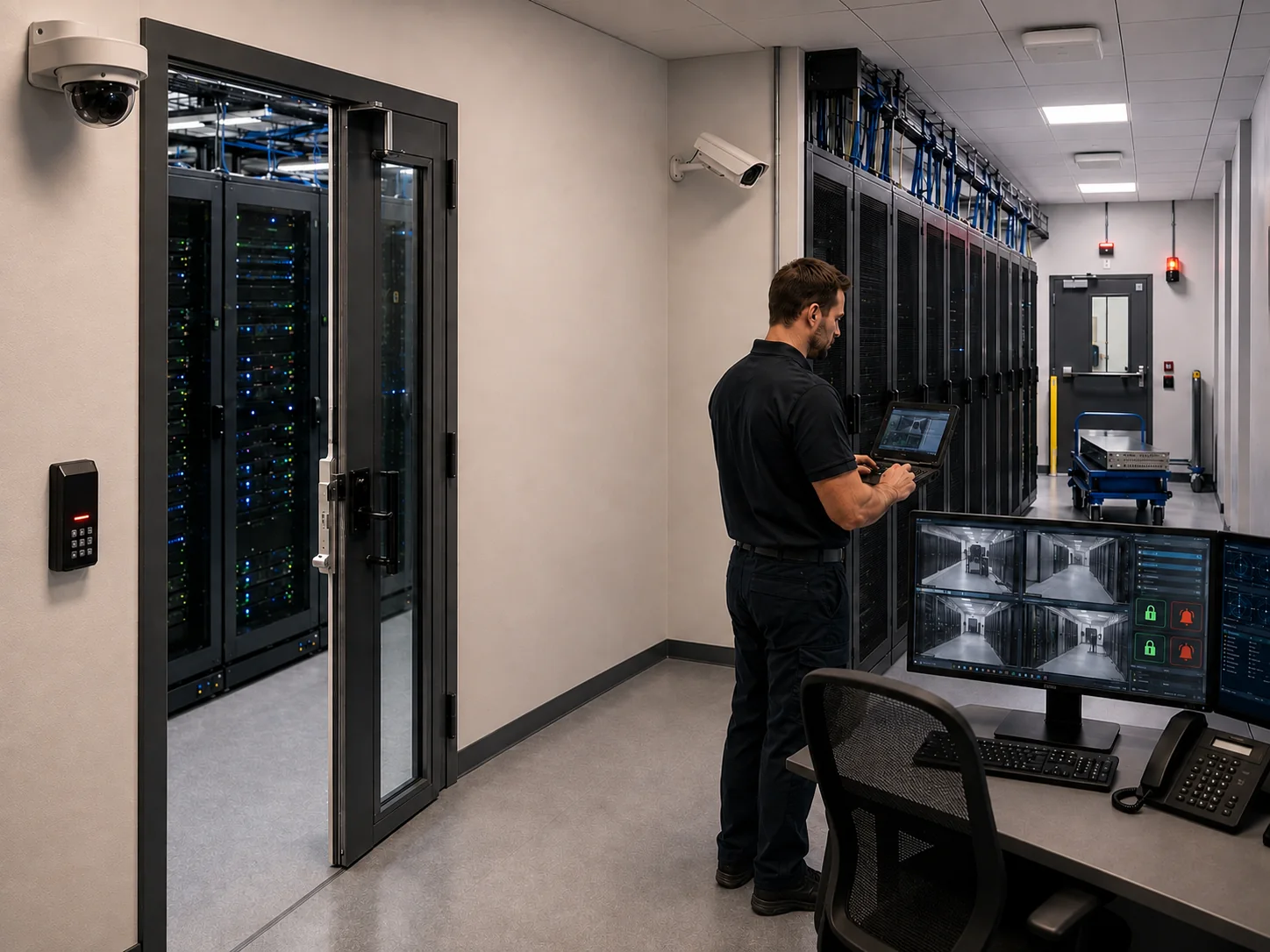
Effective physical security requires more than installing cameras or restricting access to certain areas. Facilities need procedures that reflect their operating schedules, equipment requirements, construction activity, and identified vulnerabilities.
Security personnel should understand site-specific procedures, communicate effectively, document incidents, and know when and how to escalate concerns. Coverage and monitoring practices should also reflect the facility’s changing needs.
Regular reviews can help management determine whether existing security measures remain appropriate as infrastructure expands, equipment deliveries increase, or staffing patterns change.
Protect Your Data Center Before Security Gaps Become Problems
Data centers support the technology, communications, and digital services that businesses rely on every day. Protecting these facilities requires attention to both digital security and the physical environments that house critical equipment and infrastructure.
Seasonal changes, equipment deliveries, construction activity, and fluctuations in staffing can all influence a facility’s security requirements. Reviewing those needs proactively helps operators prepare for changing conditions while reducing unnecessary exposure to physical security risks.
Whether managing an established data center, overseeing a facility expansion, or developing a new construction site, organizations should regularly evaluate their physical security procedures and identify opportunities to improve protection.
Request a Complimentary Security Assessment
A professional review of your facility’s physical security can help identify potential gaps, evaluate existing procedures, and determine practical improvements aligned with your site’s needs.
Visit: https://www.strategicprotection.us/
Call: 281-533-3513
Email: info@strategicprotection.us
Always ready. Always secure. Always protected.