What Is a Data Center? Everything You Need to Know
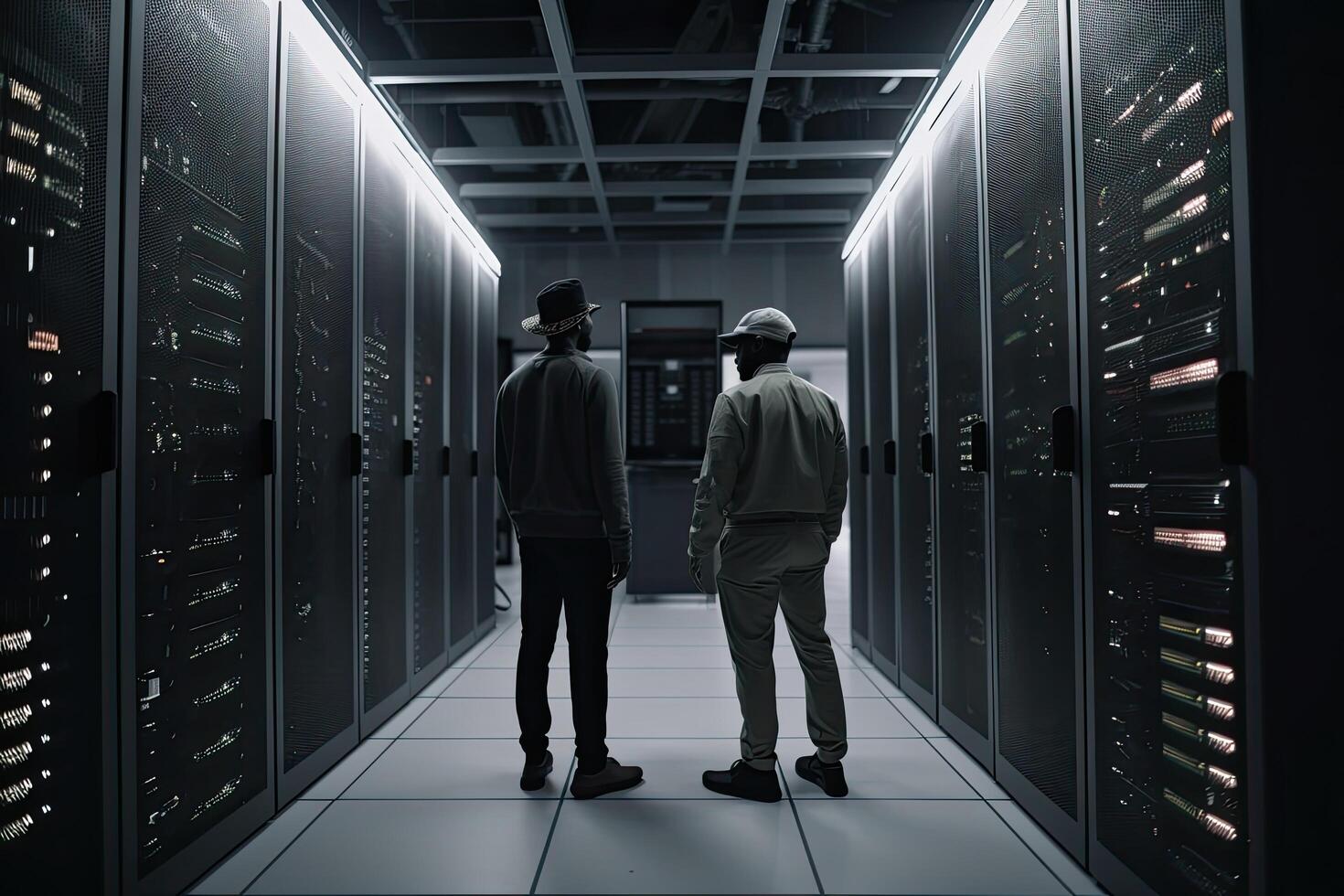 In today’s digital world, businesses, organizations, and individuals rely on technology every second of the day. From sending emails and streaming videos to storing important business information and using cloud-based applications, much of our digital activity depends on one critical piece of infrastructure: the data center.
But what exactly is a data center, and why is it so important?
What Is a Data Center?
A data center is a physical facility that houses computer systems, servers, networking equipment, storage systems, and other technology used to process, store, manage, and distribute digital information.
Think of a data center as the powerhouse behind the digital world.
When you access a website, save information to the cloud, send an email, stream a movie, or use an online application, your data may travel through equipment located inside one or more data centers.
Data centers are designed to operate continuously and reliably while protecting critical technology and information.
What Does a Data Center Do?
A data center supports the technology that businesses and organizations depend on. Its primary functions can include:
- Storing large amounts of digital information
- Processing data and applications
- Supporting cloud computing services
- Hosting websites and online platforms
- Managing business networks
- Supporting communication systems
- Providing backup and disaster recovery capabilities
Because so many important services depend on digital infrastructure, data centers must remain reliable, secure, and operational.
What Equipment Is Inside a Data Center?
A modern data center can contain thousands of pieces of specialized equipment. Some of the most common components include:
Servers
Servers are powerful computers that process information, run applications, host websites, and manage digital services.
Storage Systems
Storage systems hold important digital information, including files, databases, applications, and backups.
Networking Equipment
Networking equipment helps information travel between servers, users, applications, and other locations.
Cooling Systems
Technology generates heat when it operates. Data centers use advanced cooling and environmental control systems to help maintain safe operating conditions.
Power Systems
Reliable power is essential. Many facilities have backup systems designed to help maintain operations during power interruptions.
Security Systems
Because data centers contain valuable technology and critical infrastructure, security systems can play an important role in protecting the facility.
Why Are Data Centers Important?
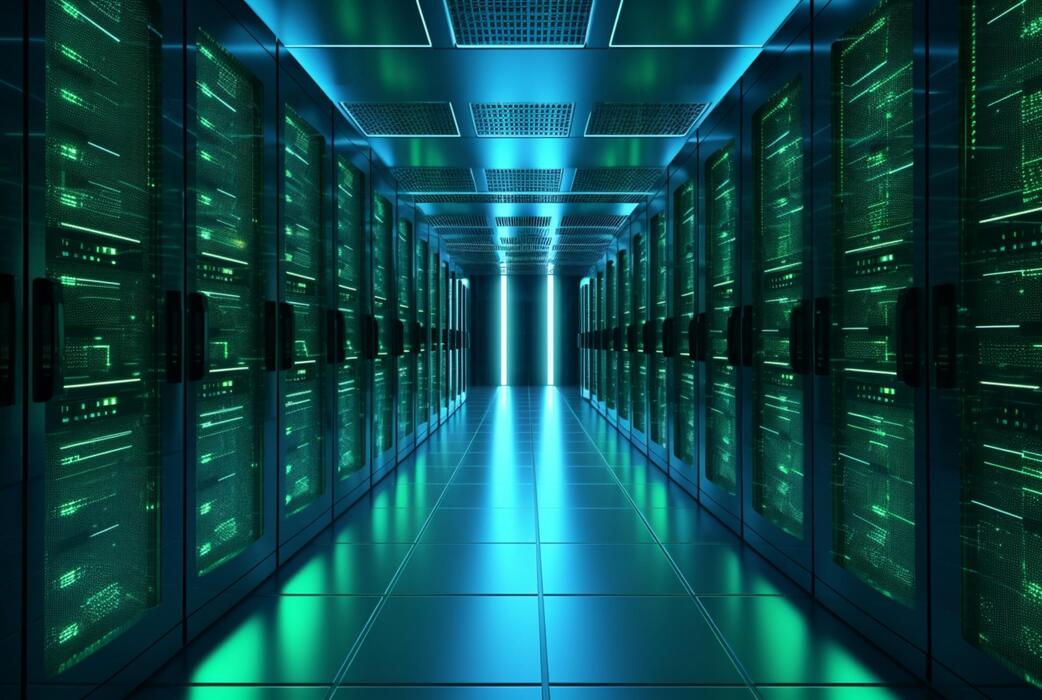
Data centers are essential to the modern economy and digital infrastructure.
Businesses use data centers to operate websites, store customer information, run applications, support employees, and manage important business operations.
Industries that may depend heavily on data centers include:
- Healthcare
- Financial services
- Technology companies
- Government organizations
- Telecommunications
- E-commerce businesses
- Educational institutions
- Manufacturing companies
- Logistics companies
As businesses continue moving toward cloud technology and digital operations, the importance of reliable data centers continues to grow.
Types of Data Centers
Not all data centers are the same. Different facilities are designed to meet different technological and business needs.
Enterprise Data Centers
Enterprise data centers are typically owned and operated by a single organization to support its internal technology and business operations.
Colocation Data Centers
Colocation facilities provide space, power, cooling, and infrastructure for multiple organizations.
Businesses can place their own servers and equipment inside the facility while benefiting from the building’s infrastructure.
Cloud Data Centers
Cloud data centers support cloud computing services and allow businesses and individuals to access computing resources and applications through the internet.
Edge Data Centers
Edge data centers are located closer to users and devices. They can help reduce delays in processing information and support technologies that require fast response times.
Why Is Security Important in a Data Center?
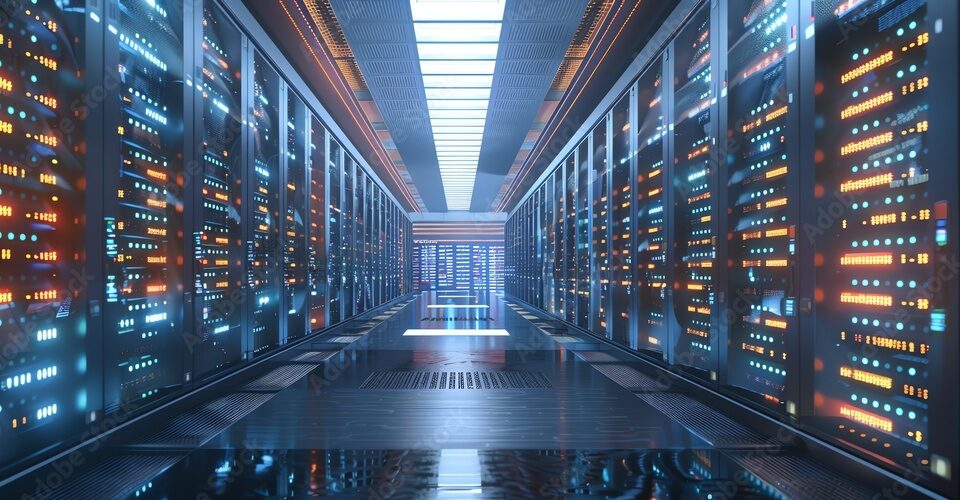
Data centers are considered critical facilities because they can contain valuable technology, sensitive information, and infrastructure that supports important services.
Security can involve multiple layers of protection, including:
- Controlled access points
- Security personnel
- Surveillance systems
- Visitor management procedures
- Access control technology
- Perimeter protection
- Emergency response planning
Physical security is an important part of protecting a data center from unauthorized access and other potential disruptions.
The Role of Security Officers in Data Centers
Trained security professionals can play an important role in helping protect data center facilities.
Depending on the facility and security requirements, security personnel may assist with:
- Monitoring access points
- Verifying authorized visitors
- Conducting patrols
- Monitoring security activity
- Reporting suspicious behavior
- Supporting emergency procedures
- Helping protect critical infrastructure
A strong security strategy can help organizations maintain awareness and support the protection of people, property, and operations.
Data Centers and the Future
The demand for digital services continues to grow. Technologies such as artificial intelligence, cloud computing, online services, connected devices, and advanced communications are increasing the need for reliable digital infrastructure.
As a result, data centers are becoming increasingly important to businesses and communities around the world.
The future of data centers will likely continue to focus on:
- Increased computing capacity
- Energy efficiency
- Advanced cooling technology
- Improved cybersecurity
- Stronger physical security
- Artificial intelligence
- Cloud computing
- Edge computing
Protecting Critical Data Center Infrastructure
Technology is only one part of operating a successful data center. The physical facility, employees, equipment, and infrastructure must also be protected.
A comprehensive security approach can help data center operators identify potential risks, manage access, and support a safe operating environment.
Professional security services may provide an additional layer of protection for facilities that operate around the clock.
Strategic Protection Solutions: Supporting Critical Facilities
Strategic Protection Solutions provides security services designed to support businesses and facilities throughout Texas.
For data centers and other critical facilities, having the right security strategy can help support access control, facility monitoring, patrol operations, and the protection of important assets.
As the digital world continues to expand, protecting the physical infrastructure behind that technology remains an important part of business operations.
Final Thoughts: What Is a Data Center?
A data center is much more than a building filled with computers. It is a critical facility that supports websites, applications, cloud services, communications, and the digital tools people and businesses use every day.
From servers and storage systems to cooling equipment and security operations, every part of a data center works together to help keep digital services running.
As demand for technology continues to increase, data centers will remain a vital part of our connected world.
For organizations operating critical facilities, protecting people, property, and infrastructure should remain an important part of a comprehensive operational strategy.