Warehouses in Texas: A Guide to Warehousing, Distribution & Logistics
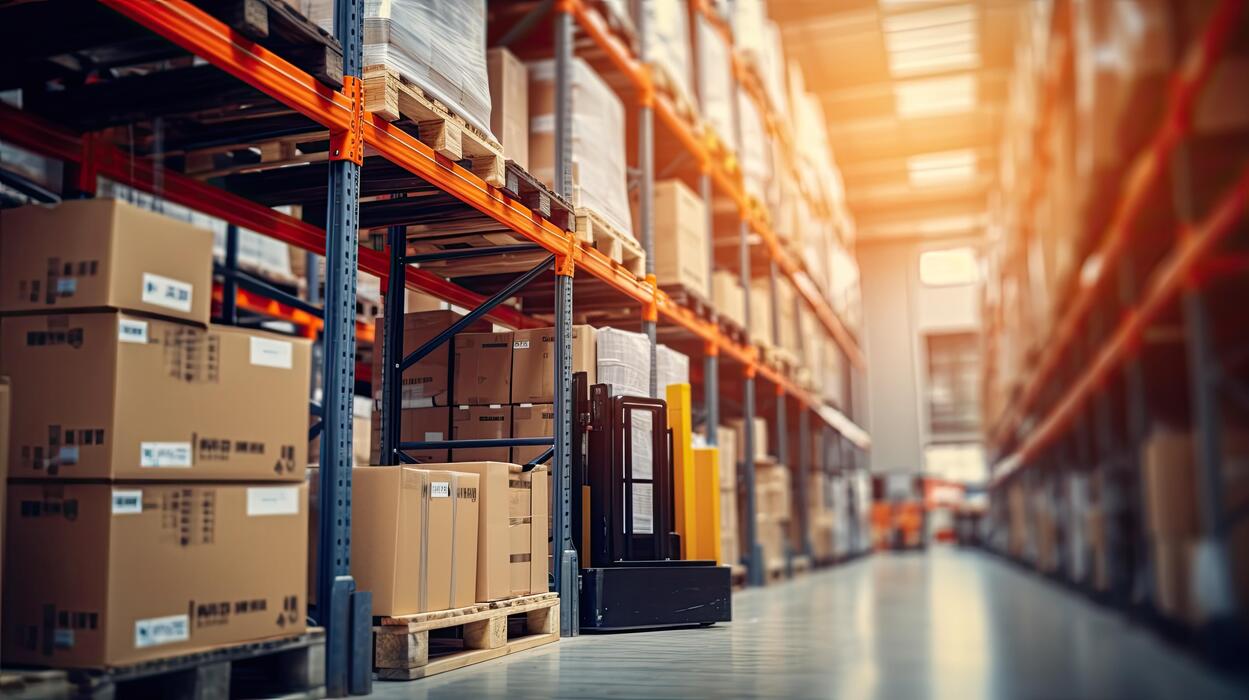
Texas is one of the most important logistics and distribution hubs in the United States. With major cities including Houston, Dallas-Fort Worth, San Antonio, and Austin, the state provides businesses with access to highways, ports, airports, rail networks, manufacturers, retailers, and large consumer markets.
From third-party logistics providers and public warehouses to distribution centers and specialized storage facilities, Texas warehouses play an important role in keeping products moving efficiently.
For businesses searching for warehouses in Texas, choosing the right facility can depend on location, storage capacity, transportation access, inventory management, security, and distribution capabilities.
Why Are Warehouses Important in Texas?
Texas has a large and diverse economy, which creates significant demand for warehousing and distribution services.
Warehouses help businesses:
- Store inventory securely
- Receive and ship products
- Manage incoming and outgoing freight
- Support e-commerce fulfillment
- Organize inventory
- Handle distribution and transportation
- Provide cross-docking and logistics services
- Support manufacturing and supply-chain operations
Because Texas connects major transportation corridors throughout the country, companies can use strategically located warehouses to improve delivery times and manage their supply chains.
Major Texas Warehouse Markets
Several Texas cities are especially important for warehouse and distribution operations.
Houston Warehouses
Houston is a major logistics market because of its transportation infrastructure, proximity to the Port of Houston, airports, highways, manufacturing operations, and large population base.
Warehouse operations in the Houston area can support industries ranging from manufacturing and retail to food distribution, energy, construction, and e-commerce.
Dallas-Fort Worth Warehouses
The Dallas-Fort Worth area is another major distribution market. Its central location provides access to major highways, transportation networks, and a large regional consumer market.
Businesses operating warehouses around Dallas-Fort Worth can serve customers throughout Texas and other parts of the United States.
San Antonio Warehouses
San Antonio supports a variety of distribution, manufacturing, retail, construction, and logistics operations. Its location in South Texas also makes it an important connection between Central and South Texas markets.
Austin Warehouses
Austin’s growing business community has increased demand for industrial and warehouse space. Warehouses in the Austin area can support technology companies, manufacturers, distributors, retailers, and growing businesses.
Examples of Warehouses and Distribution Businesses in Texas
Below are several real Texas businesses with publicly available contact information.
1. Friendly Public Warehouse — Houston
Friendly Public Warehouse is a Houston-based warehousing and logistics company that describes itself as family owned and operated. The company offers warehousing and third-party logistics capabilities.
The company’s publicly listed contact information identifies its Houston facility and warehouse operations.
2. Edwards Warehouse Company — Dallas
Edwards Warehouse Company operates a warehouse facility in Dallas and provides warehousing and distribution services for businesses.
Jeff Edwards is publicly listed as Owner, Manager and Sales. The company also publishes additional contacts for shipping and receiving, customer service, accounting, and other departments.
3. SCL ColdChain — Irving
SCL ColdChain operates a warehouse and corporate headquarters in Irving, Texas. Its Texas locations include facilities serving logistics and cold-chain operations.
4. Texas Wholesale — Dallas / Fort Worth
Texas Wholesale operates distribution facilities and locations in the Dallas-Fort Worth area.
The company also lists distribution, purchasing, customer service, and general inquiry email addresses on its official contact page.
5. General Packaging Corporation — Texas Locations
General Packaging Corporation operates multiple Texas facilities, including locations in Richardson, Dallas, Conroe, and Garland.
The company identifies its Garland facility as a warehouse supporting storage and shipping operations.
What Should Businesses Look for in a Texas Warehouse?
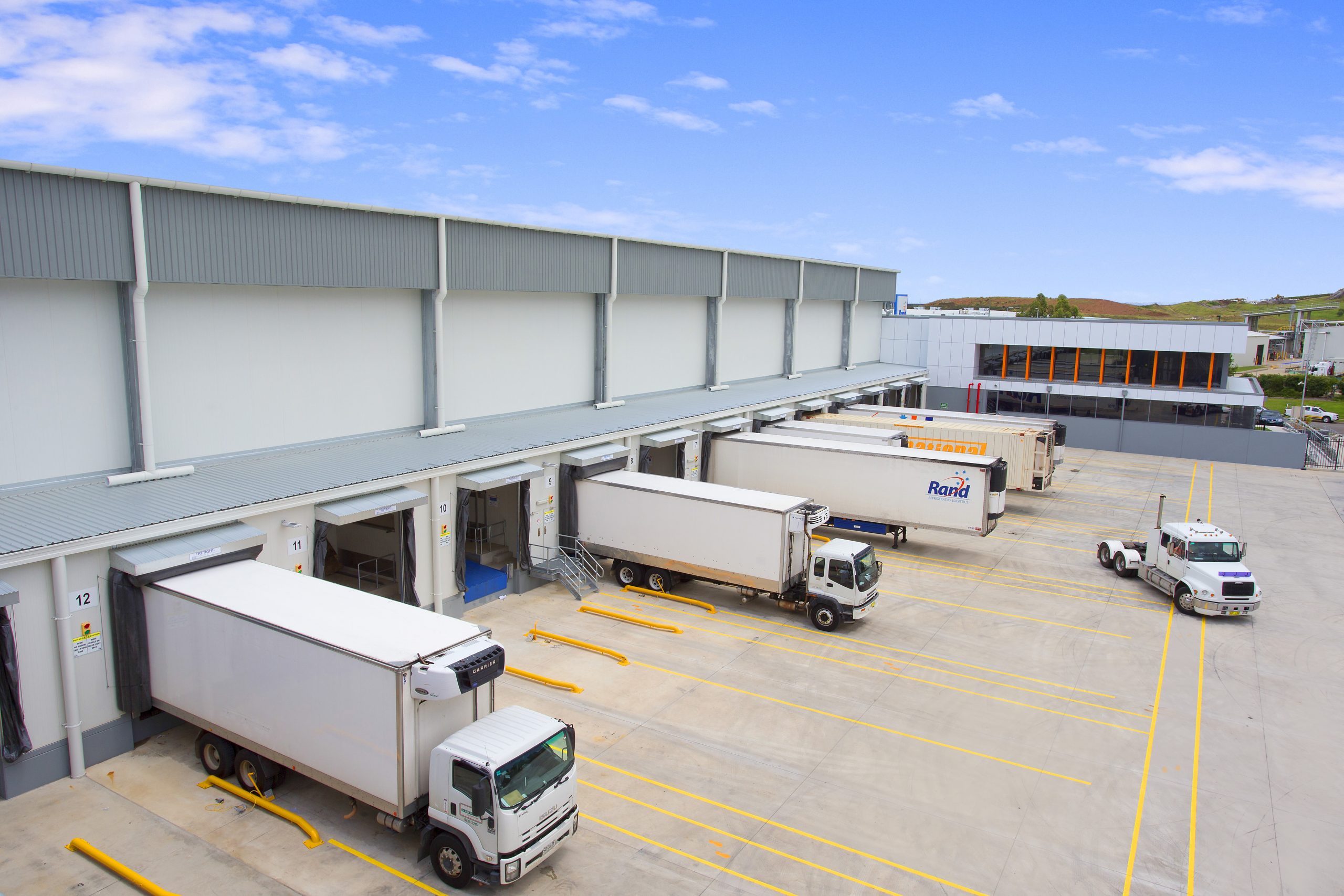
Selecting a warehouse involves more than simply finding available square footage. Businesses should evaluate several factors before choosing a facility.
1. Location
A warehouse should be positioned where it can efficiently serve customers, suppliers, transportation routes, ports, airports, and major highways.
2. Storage Capacity
Businesses should consider both current inventory needs and future growth. A facility with flexible capacity can make expansion easier.
3. Distribution Capabilities
Some warehouses provide more than storage. Depending on the provider, services may include receiving, shipping, inventory management, fulfillment, cross-docking, and other logistics services.
4. Inventory Management
Modern warehouse operations often rely on warehouse management systems and technology to monitor inventory and improve visibility.
5. Facility Security
Security is an important consideration for warehouses storing valuable inventory, equipment, electronics, materials, or sensitive products.
Businesses should evaluate access control, surveillance, lighting, visitor procedures, perimeter security, and other facility-security measures appropriate to their operation.
6. Transportation Access
Easy access to major highways and transportation routes can help reduce delays and improve supply-chain efficiency.
The Future of Warehousing in Texas
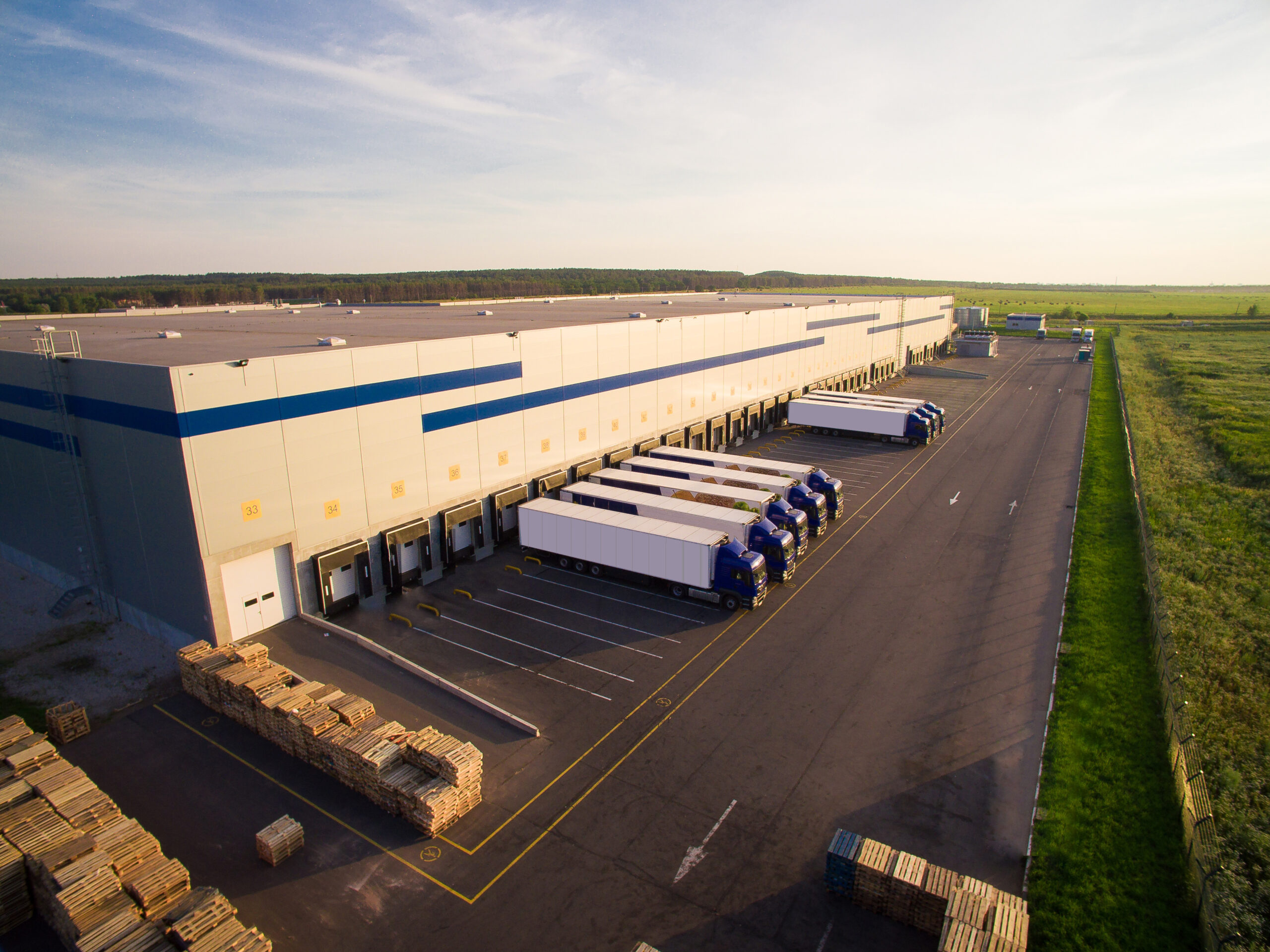
Texas continues to attract businesses, manufacturers, retailers, logistics providers, and distribution operations. As businesses expand their supply chains, the demand for strategically located warehouse and distribution facilities is expected to remain important.
Technology is also changing warehouse operations. Inventory-management systems, automation, tracking technology, improved transportation planning, and modern facility designs are helping businesses manage increasingly complex supply chains.
For companies searching for warehouses in Texas, the best facility will depend on the company’s products, customers, transportation requirements, storage needs, and operational goals.
Final Thoughts
Texas offers businesses a wide range of warehouse and distribution options across Houston, Dallas-Fort Worth, San Antonio, Austin, and other growing markets.
Whether a company needs traditional storage, third-party logistics, distribution, fulfillment, cold-chain capabilities, or specialized warehouse services, Texas provides a strong foundation for supply-chain operations.
Businesses considering a Texas warehouse should compare location, capacity, services, transportation access, technology, and security before making a decision.