Many people use the terms “bodyguard” and “Personal Protection Officer” interchangeably. While both professions involve protecting individuals, there are significant differences between a professionally trained PPO and the stereotypical bodyguard often portrayed in movies and television.
The term bodyguard typically brings to mind a large individual standing next to a celebrity, relying primarily on physical presence to deter threats. While physical presence can be beneficial, modern executive protection involves much more than standing watch.
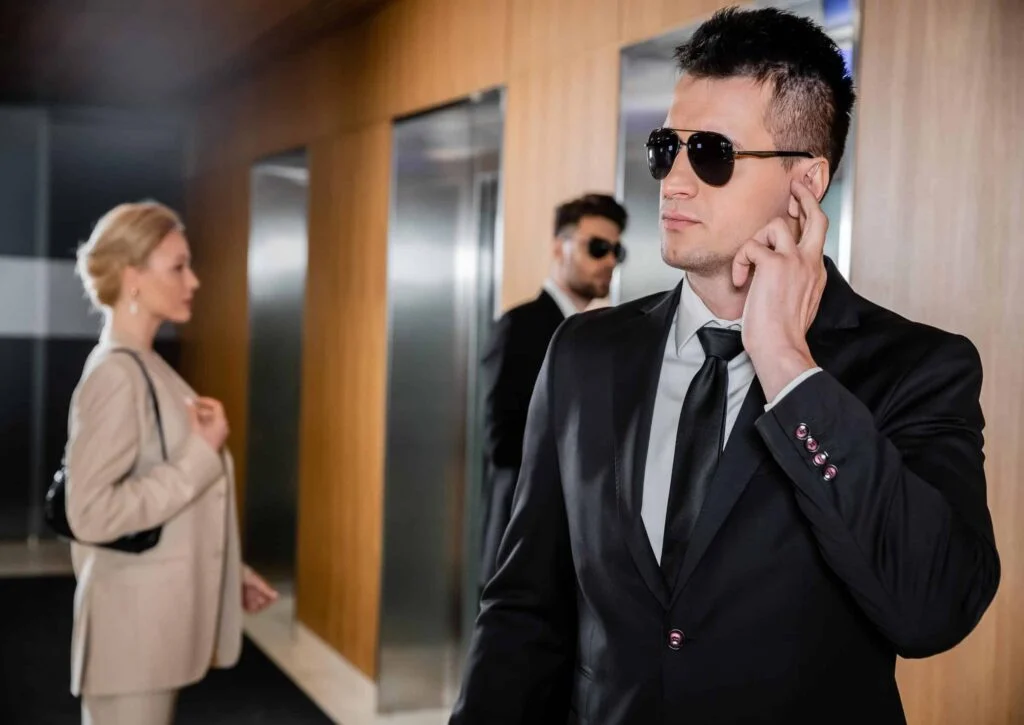
A Personal Protection Officer is a licensed security professional trained to identify, assess, and mitigate risks before they become incidents. Their job is proactive rather than reactive. Instead of waiting for a problem to occur, PPOs work continuously to reduce the likelihood of threats ever reaching their client.
Threat assessment is one of the primary responsibilities of a PPO. Before attending an event, visiting a location, or traveling to a destination, a PPO evaluates the environment for potential risks. This process may include reviewing entry and exit points, analyzing crowd behavior, identifying safe rooms, evaluating transportation routes, and coordinating emergency response plans.
Want to order a PPO officer service? Look no further and check out our services here!
Professional PPOs receive extensive training in situational awareness. They constantly observe their surroundings and look for behavioral indicators that may suggest suspicious intent. This skill allows them to identify concerns long before they become emergencies.
Executive protection also requires strong communication skills. PPOs often interact with event staff, property management, law enforcement, transportation providers, and emergency personnel. Their ability to coordinate effectively can significantly improve safety outcomes during an incident.
Another major distinction is planning. Professional protection operations involve advance work. Prior to a client arriving at a location, PPOs may inspect venues, review security procedures, establish emergency evacuation routes, identify nearby medical facilities, and coordinate secure transportation.
Protective intelligence is another area where PPOs excel. This involves gathering information about potential threats, monitoring public information, evaluating online activity, and understanding risk factors that may impact the client. Protective intelligence allows security professionals to make informed decisions and implement appropriate safeguards.
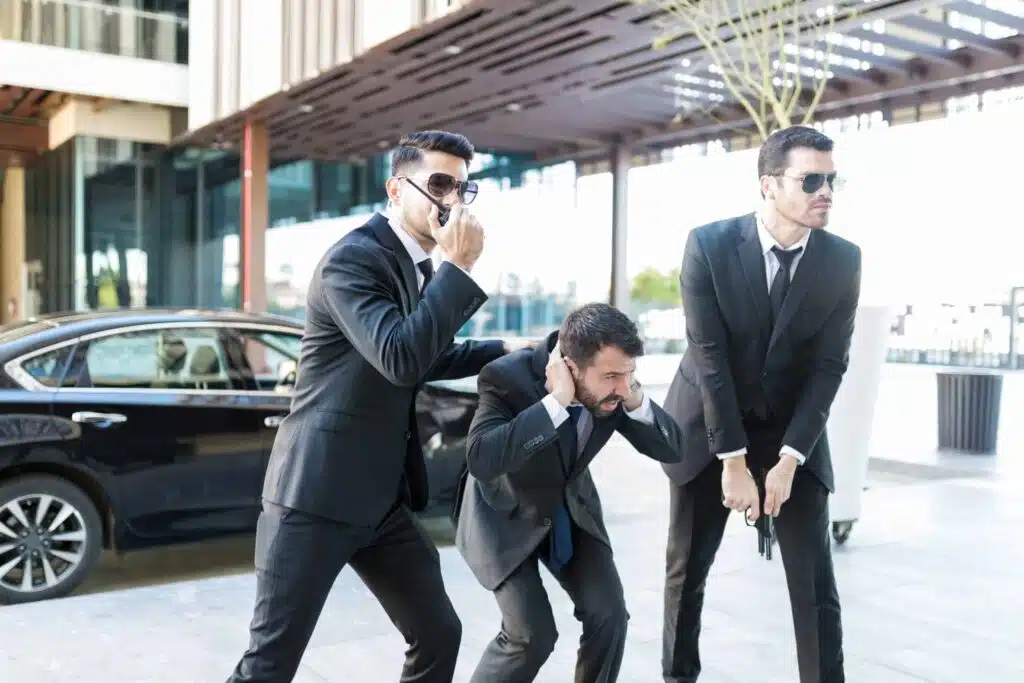
A trained PPO also understands conflict de-escalation. Not every threat requires physical intervention. In fact, the best protection professionals resolve most situations through communication, positioning, and preventative measures. Avoiding confrontation whenever possible is a hallmark of professional executive protection.
Executive protection clients come from many different backgrounds, including:
- Corporate executives
• Attorneys
• Medical professionals
• Business owners
• Government officials
• Public figures
• Witnesses involved in legal matters
• High-net-worth individuals
• Families facing personal security concerns
Professional PPOs are often utilized during travel, court appearances, public speaking engagements, corporate meetings, private events, and residential security situations.
Technology has also transformed executive protection. Modern PPOs utilize GPS tracking, communication systems, surveillance technology, threat monitoring tools, and emergency response protocols to enhance client safety. Security today is a combination of training, planning, technology, and experience.
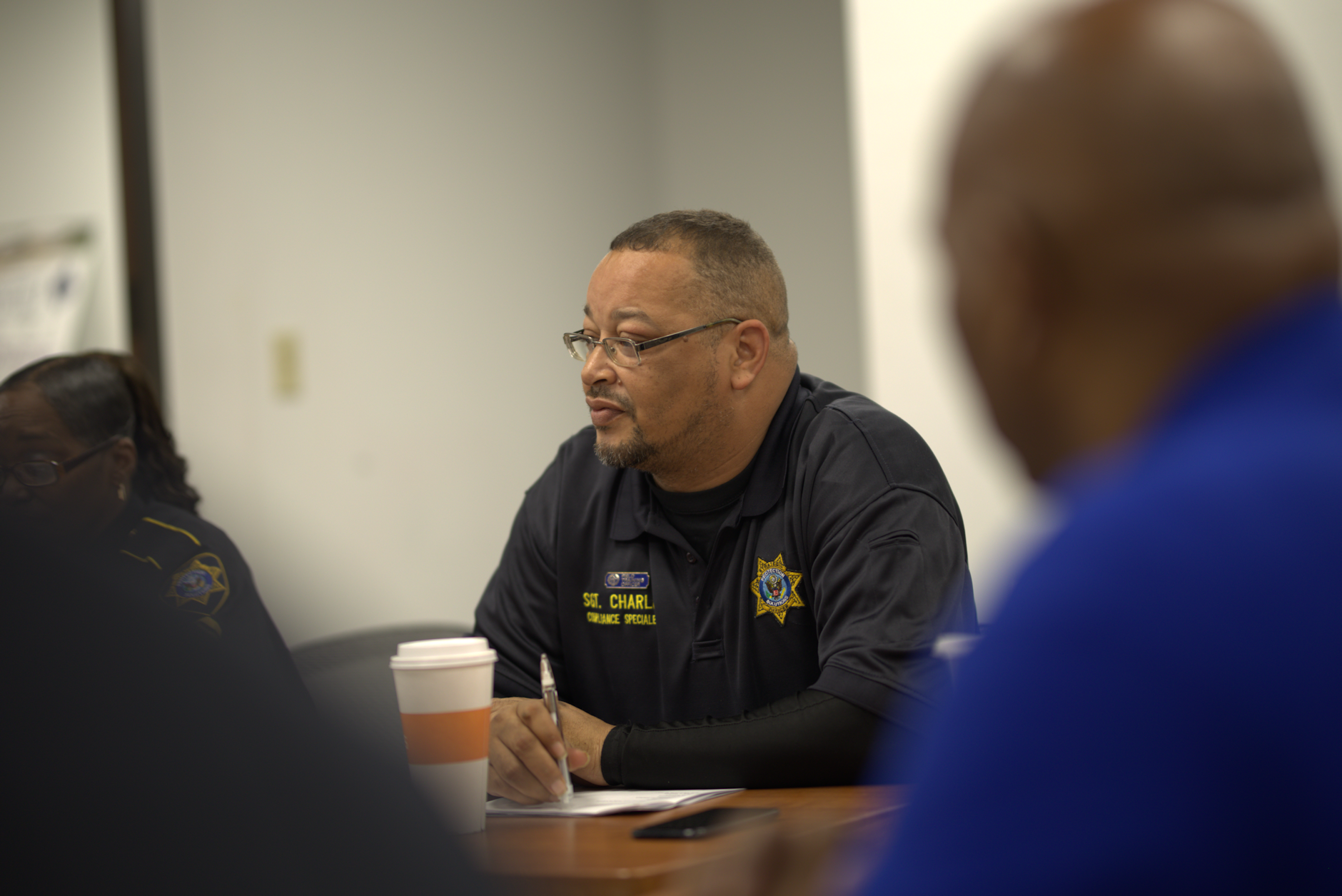
At Strategic Protection Solutions, our Personal Protection Officers are trained to provide professional, discreet, and effective protective services. We understand that every client faces unique risks. Our goal is to create customized security solutions that allow clients to conduct business and enjoy life with confidence.
Interested in another security article? I recommend this article: Surveillance Investigations in Texas: Turning Suspicion Into Facts
The next time someone mentions a bodyguard, remember that professional executive protection goes far beyond physical presence. A Personal Protection Officer serves as a planner, protector, problem solver, and security specialist dedicated to keeping clients safe in an increasingly unpredictable world.
True protection is not about reacting to danger. It is about preventing danger from ever reaching you.