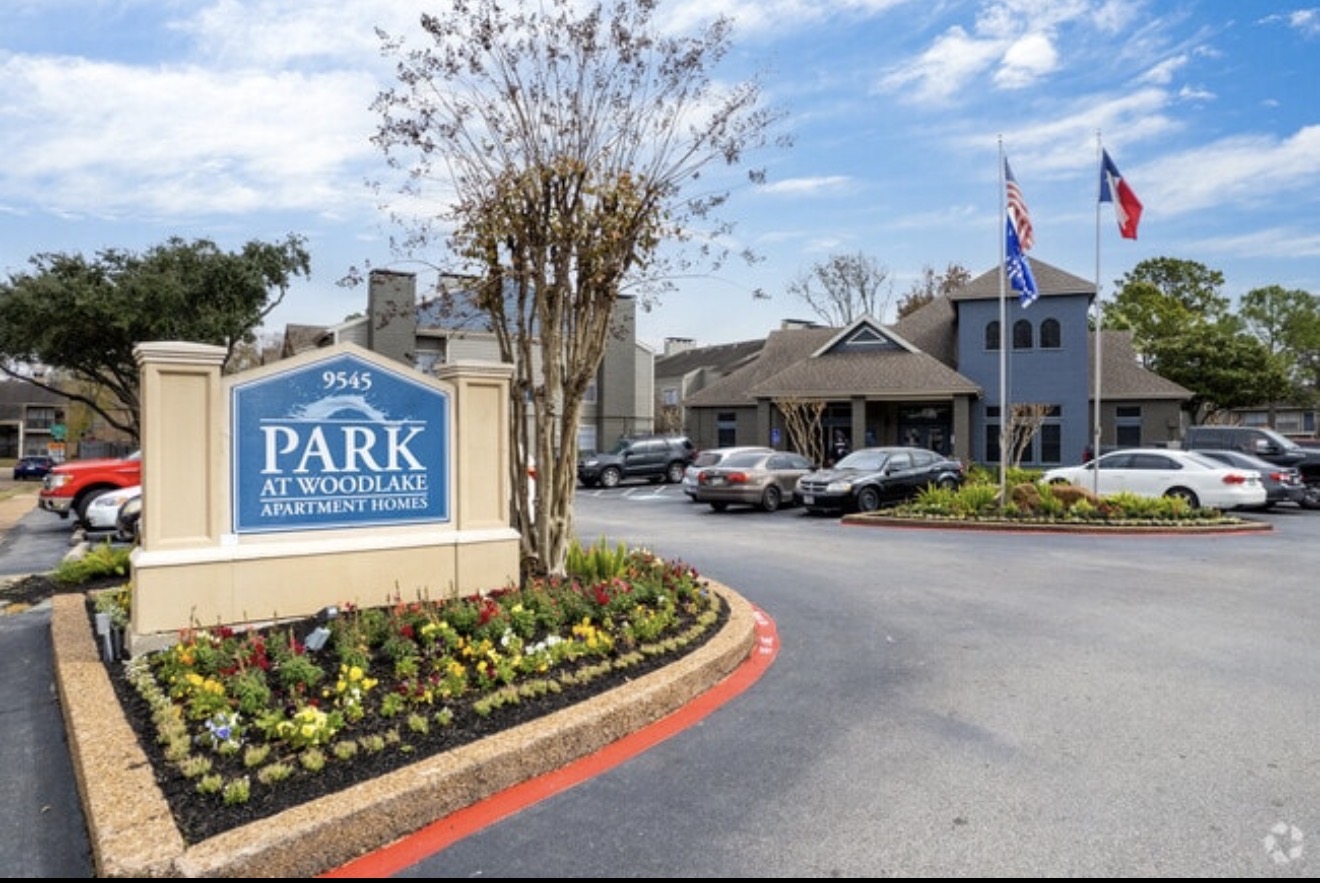
Tragedy in West Houston Raises Serious Security Concerns for Leasing and Property Management Professionals
A tragic shooting at a west Houston apartment community has brought renewed attention to the security risks faced by leasing agents, property managers, maintenance personnel, and other employees who work directly with the public.
On September 3, 2026, Houston police responded to an apartment leasing office at the Park at Woodlake Apartments in the 9500 block of Ella Lee Lane. Inside the office, officers discovered a 47-year-old man and a 67-year-old woman who had suffered gunshot wounds. Both victims were pronounced deceased at the scene.
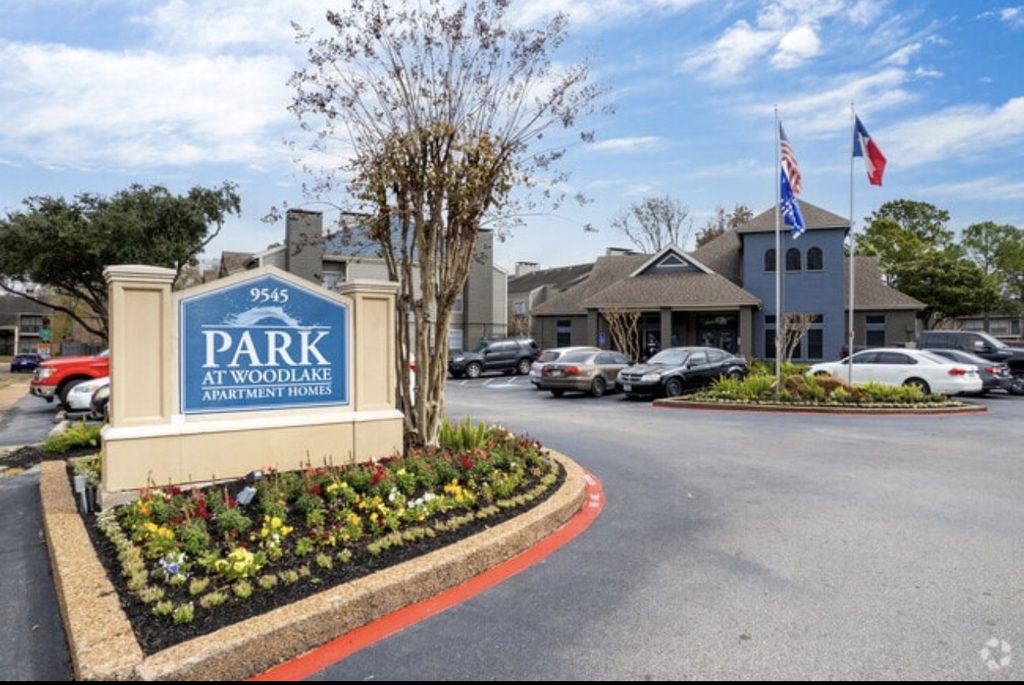
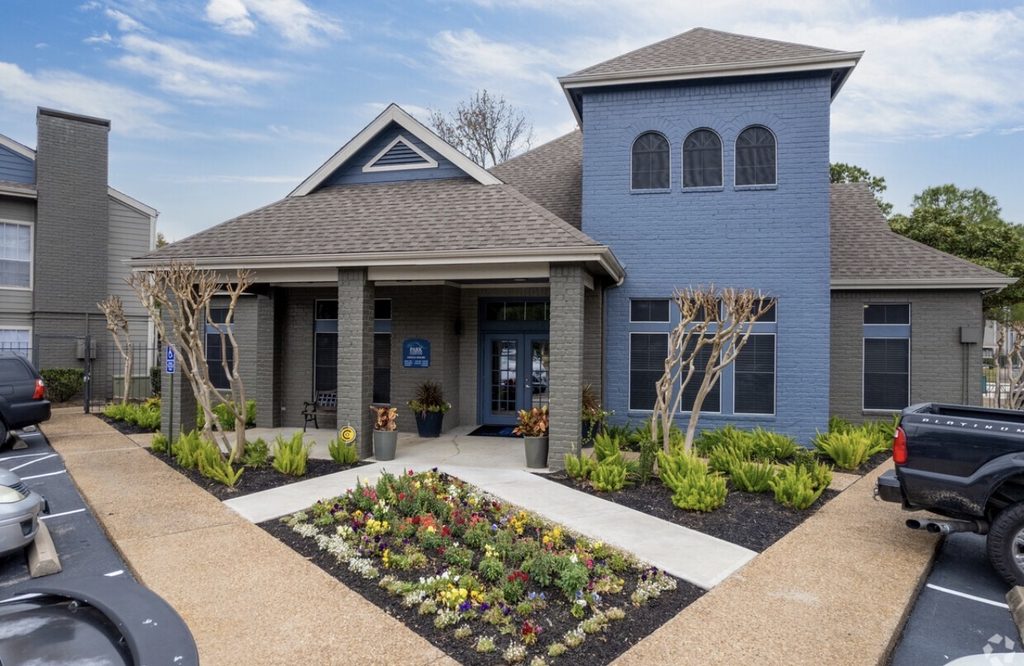
The 67-year-old victim was later identified by her family as leasing agent Rosie Ybarra.
At the time of this article, authorities had not publicly announced a motive or identified a suspect. Because the investigation remains active, it is important not to speculate about what led to the shooting or whether any particular security measure could have prevented it.
What this tragedy does highlight, however, is a broader issue that property owners and management companies should take seriously: leasing offices are workplaces, but they are also public-facing environments where employees routinely interact with residents, applicants, contractors, vendors, visitors, and sometimes individuals involved in emotionally charged disputes.
Leasing Offices Can Face Unique Security Risks
Apartment leasing professionals regularly handle rent payments, lease violations, evictions, parking disputes, towing complaints, maintenance concerns, denied applications, resident complaints, and enforcement of community policies.
Most interactions are routine and professional. However, disagreements can occasionally escalate.
A leasing office may also have employees working alone, particularly near opening or closing hours. Employees may walk through parking lots, show vacant apartments, inspect units, deliver notices, or interact with individuals away from the main office.
These responsibilities make workplace security planning especially important.
Property management companies should evaluate security from the perspective of both resident protection and employee protection.
Security Should Start With a Property Risk Assessment
Every apartment community is different. A security program that works for a small gated community may not be appropriate for a large multifamily property with hundreds of apartments.
A professional security assessment can evaluate vulnerabilities involving the leasing office, parking areas, access points, gates, lighting, cameras, employee procedures, vacant units, amenities, and other areas of the property.
Management should consider questions such as:
- Can employees clearly see who is approaching the leasing office?
- Are surveillance cameras positioned around entrances and customer-service areas?
- Are employees frequently working alone?
- Is there a procedure for handling threatening residents or visitors?
- Are employees trained on when to contact security or law enforcement?
- Are panic or duress alarms available where appropriate?
- Are doors, gates, cameras, and access-control systems working correctly?
- Is there a documented emergency response plan?
- Are employees trained for workplace violence and active-threat situations?
Finding vulnerabilities before an emergency occurs gives management an opportunity to address them proactively.
Security Officers Can Provide More Than Parking Lot Patrols
Apartment security is sometimes viewed primarily as overnight vehicle patrol.
A comprehensive security program can go much further.
Professional security officers may monitor the leasing office during higher-risk periods, patrol parking areas and common spaces, conduct amenity checks, observe suspicious activity, document incidents, monitor access points, and provide a visible deterrent throughout the property.
Officers can also be positioned near management offices during employee terminations, evictions, contentious resident meetings, or other situations where management has identified an elevated concern.
When appropriate, security personnel can escort employees to vehicles after dark or accompany staff members during certain property activities.
Security officers are not substitutes for law enforcement. When criminal activity or an immediate threat is identified, emergency services should be contacted.
Technology Should Be Part of the Security Strategy
Physical security and technology are most effective when they operate together.
Apartment communities should periodically evaluate surveillance cameras, access-control systems, gates, lighting, alarm systems, intercoms, and other security infrastructure.
Camera placement should include areas where employees and residents frequently interact.
Management should also establish procedures for preserving surveillance footage after an incident. Video that automatically overwrites after a short period may be lost before management realizes it is needed for an investigation.
Security technology should support the people responsible for protecting the property—not simply exist as equipment mounted on a wall.
Train Leasing and Management Employees for Difficult Situations
Security training should not be limited to security officers.
Leasing professionals and property managers should receive practical training on situational awareness, workplace violence warning signs, conflict de-escalation, emergency communication, suspicious activity reporting, active-threat response, and emergency evacuation procedures.
Employees should understand when a disagreement has moved beyond normal customer service and requires assistance from management, security, or law enforcement.
Companies should also establish clear procedures for reporting threats.
A resident, former employee, applicant, vendor, or other individual who makes a credible threat should not simply become an informal conversation among employees. The concern should be documented, escalated through the appropriate management structure, and evaluated according to company policy.
Apartment Security Must Protect Employees and Residents
The loss of two apartment employees in west Houston is a devastating reminder that security planning cannot focus exclusively on property and assets.
People must remain the priority.
Property owners and management companies should periodically review their security programs and ask whether existing procedures adequately protect leasing professionals, maintenance teams, managers, residents, and visitors.
At Strategic Protection Solutions, we believe effective security begins with identifying vulnerabilities before they become emergencies.
Our services can support apartment communities through professional security officers, mobile and foot patrols, leasing-office security, access control, security assessments, incident documentation, emergency planning, camera and security-system solutions, and employee security training.
No security program can guarantee that violence will never occur. However, thoughtful planning, trained personnel, effective technology, employee education, and clearly established emergency procedures can help organizations strengthen preparedness and improve their ability to respond when something goes wrong.
The Houston tragedy should encourage property owners and management professionals throughout the region to examine an important question:
If a serious security threat developed at our leasing office tomorrow, would our employees know exactly what to do?
That conversation should happen before an emergency—not after one.