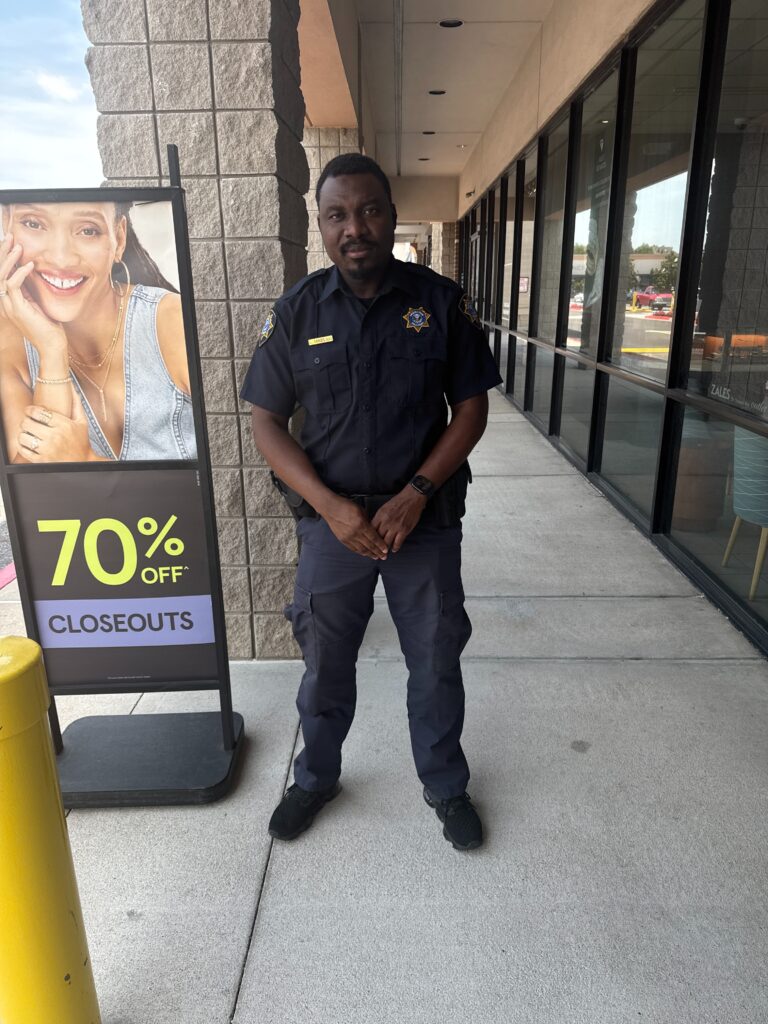

In today’s world, the demand for professional security services is rapidly growing. From businesses and residential communities to events and corporate environments, private security plays a critical role in maintaining safety and order. But stepping into this field takes more than just showing up—it requires the right training, mindset, and guidance.
If you’re considering a career in private security, here’s what you need to know to become successful—and how the right training program can set you apart.

Why Private Security Is a Growing Industry
The private security industry continues to expand due to increasing safety concerns and the need for proactive protection. Companies are no longer looking for just “guards”—they want trained professionals who can handle real-world situations with confidence and professionalism.
This creates opportunities for individuals seeking:
- Stable income
- Career growth
- Flexible work environments
- Entry into law enforcement or executive protection
Security Guard vs. Security Professional: What’s the Difference?
Many people enter the field thinking the job is simple—but top-performing individuals understand the difference.
A security guard observes and reports.
A security professional prevents, protects, and problem-solves.
To stand out, you must develop:
- Strong communication skills
- Situational awareness
- Conflict resolution techniques
- Professional conduct under pressure
The Mindset Needed to Succeed in Security
Success in private security isn’t about strength—it’s about discipline and awareness.
Top security professionals consistently demonstrate:
- Alertness: Always aware of surroundings
- Professionalism: Representing the company and client with integrity
- Emotional control: De-escalating tense situations
- Accountability: Taking responsibility for actions and reports
Your mindset determines how far you go in this field.
Common Mistakes New Security Officers Make
Many new hires struggle early on due to lack of preparation. Avoid these common mistakes:
- Poor report writing
- Lack of confidence in handling incidents
- Overreacting or underreacting to situations
- Failing to follow post orders
- Weak communication with clients or team members
Proper training eliminates these issues before they start.

How Strategic Protection Training Sets You Up for Success
A structured training program is the foundation of a successful security career. Strategic Protection focuses on preparing individuals for real-world scenarios—not just textbook knowledge.
Key training areas include:
- Hands-on scenario-based training
- De-escalation and conflict management
- Customer service in security environments
- Detailed report writing and documentation
- Understanding legal responsibilities and use of force
This approach ensures trainees are confident, capable, and job-ready.
From Entry-Level to Career Growth
Private security offers more than just a job—it offers a career path.
With the right experience and certifications, you can advance into:
- Armed security
- Mobile patrol
- Supervisor or site manager roles
- Executive protection
- Corporate security positions
The key is consistency, training, and positioning yourself as a professional.
The Power of Mentorship and Training Programs
For many individuals—especially those seeking a second chance or new direction—mentorship is critical.
Training programs that combine structure, accountability, and real guidance help individuals:
- Build confidence
- Develop discipline
- Stay focused on long-term goals
- Transition into stable employment
This is where organizations like Strategic Protection make a lasting impact.

Start Your Security Career Today
If you’re serious about building a career in private security, don’t settle for minimal training. Invest in a program that prepares you for success from day one.
The right training can open doors, increase your earning potential, and position you as a professional in a high-demand industry.
Are you ready to protect, serve, and get paid for it?