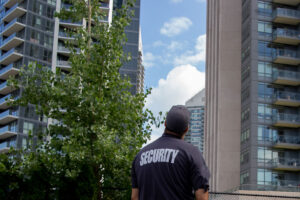
Unarmed security has always played a critical role in the industry.
But today, those officers are being asked to handle situations that go far beyond what the role was originally designed for.
The Growing Pressure
Unarmed officers are now dealing with:
- Confrontational individuals
- Mental health-related incidents
- Trespassing that escalates into threats
- Situations involving weapons—without having one themselves
At the same time, they are expected to:
- Avoid physical engagement
- Follow strict client policies
- Maintain professionalism at all times
That’s a high-pressure position with very little margin for error.
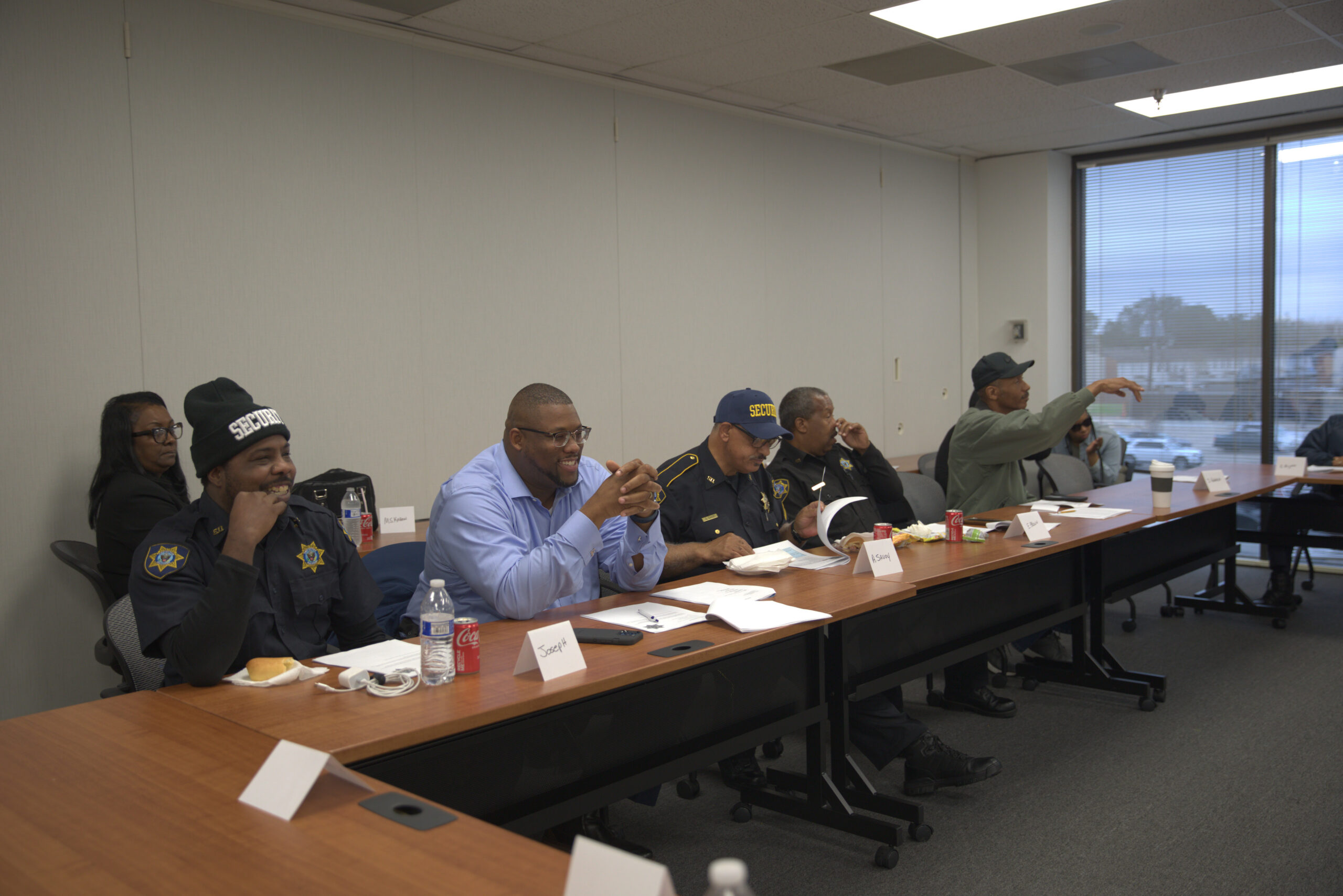
The Gap Between Expectation and Reality
Here’s the issue:
Clients often want maximum security presence while minimizing liability.
So they choose unarmed officers—but expect outcomes closer to what an armed presence provides.
That gap creates risk.
Because when a situation escalates, the officer has limited tools:
- Communication
- Observation
- Reporting
- De-escalation
And sometimes, that’s not enough.
What This Means for Property Managers
If your property is experiencing:
- Repeat criminal activity
- Aggressive behavior
- Late-night incidents
- High traffic with minimal control
Then you have to ask:
Is unarmed security still the right fit?
Or are you putting your officers—and your property—at risk?
The Reality
Unarmed officers are professionals. But professionalism doesn’t replace capability.
If the threat level increases, your security strategy must evolve with it.

Bottom Line
Unarmed security is still valuable—but only when it’s aligned with the actual risk level.
Otherwise, you’re asking officers to handle more than they’re equipped for.
And that’s where problems begin.